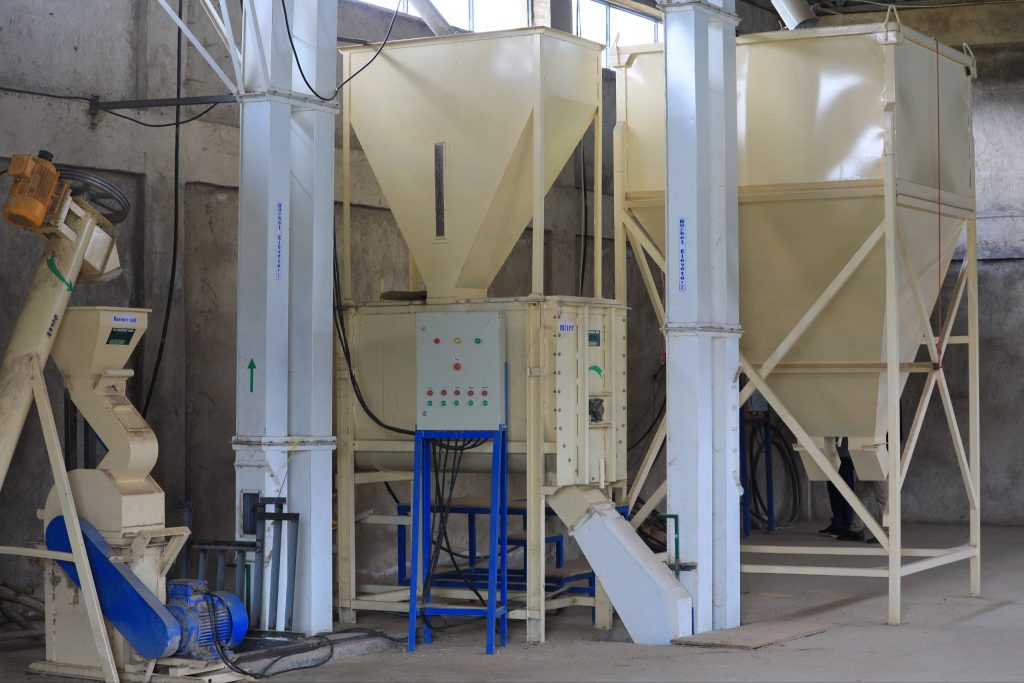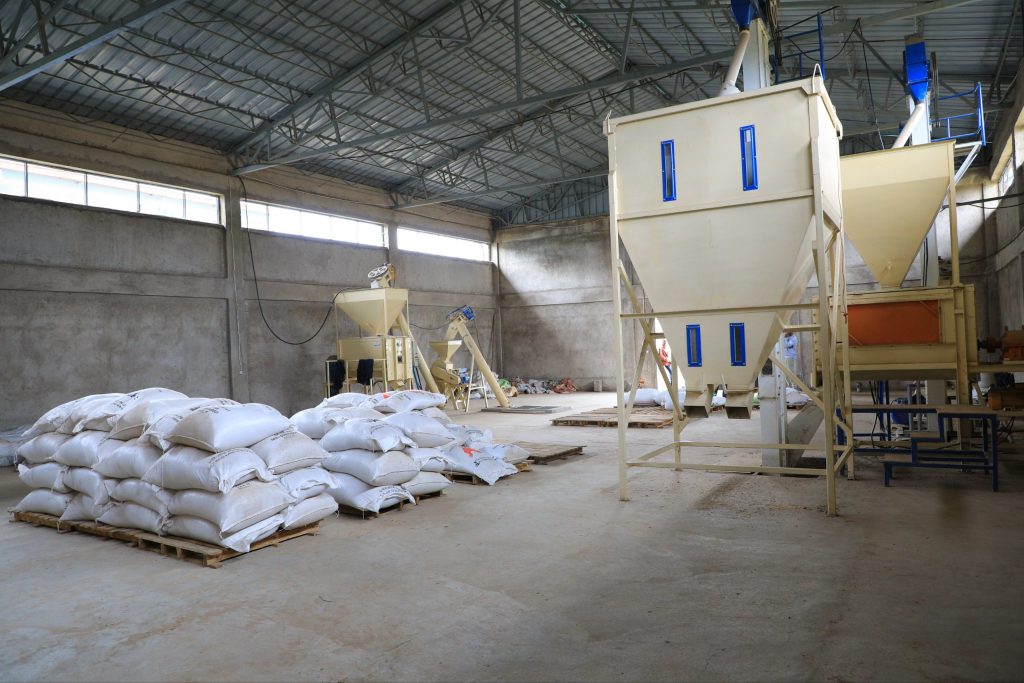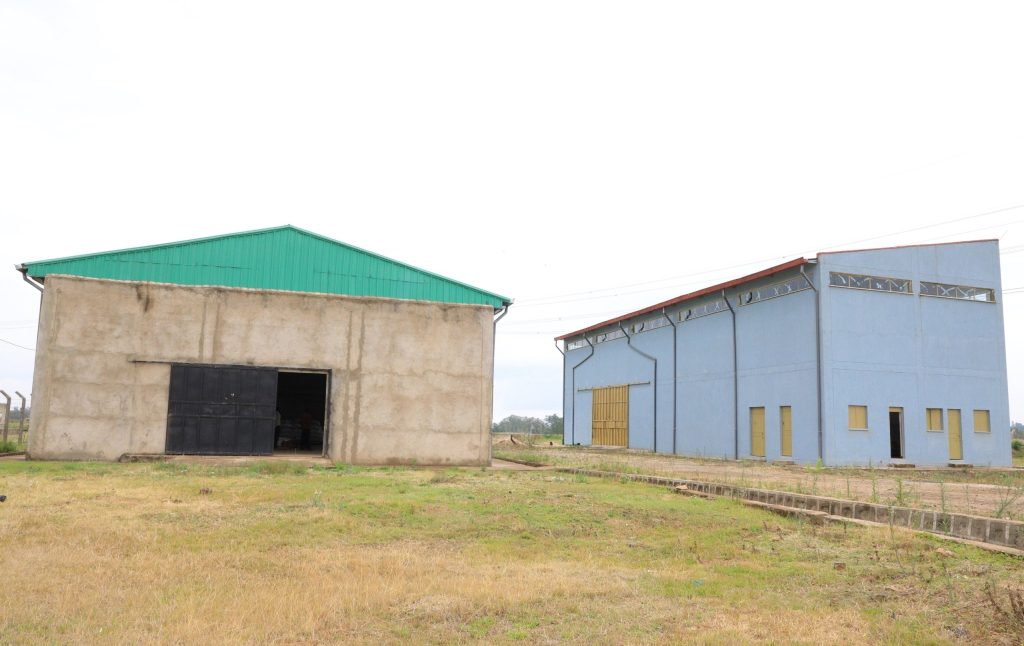
An animal feed processing factory constructed by Ethiopian Electric Power (EEP) as part of a community resettlement initiative is expected to create opportunities for the expansion of modern livestock farming in the area.
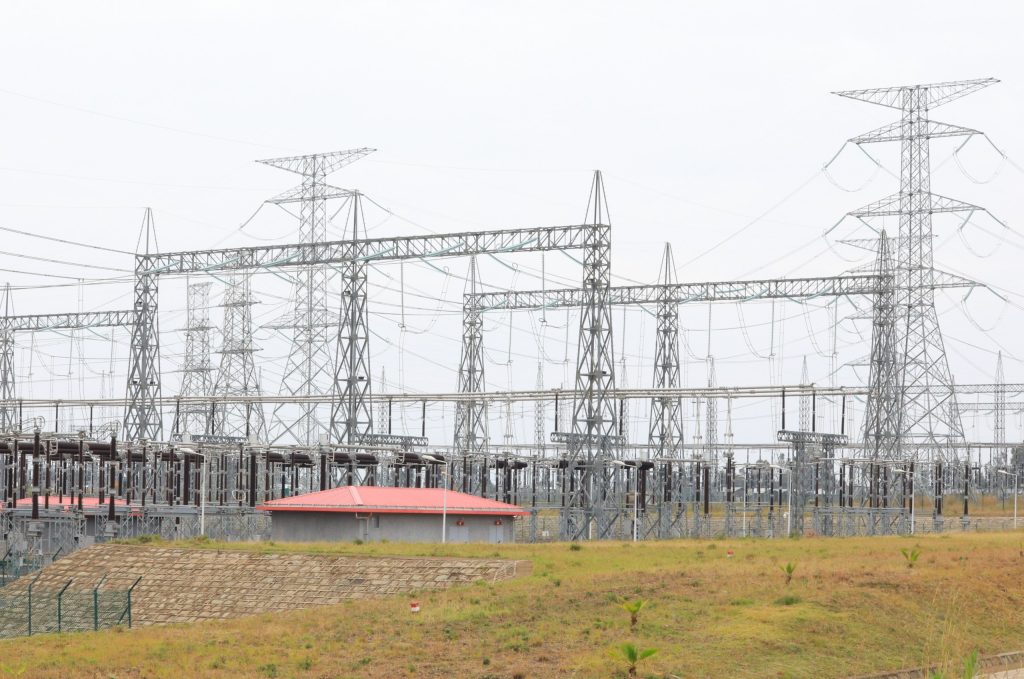
The factory was built for residents who relinquished their grazing land for the construction of the Wolaita Sodo Converter Station.
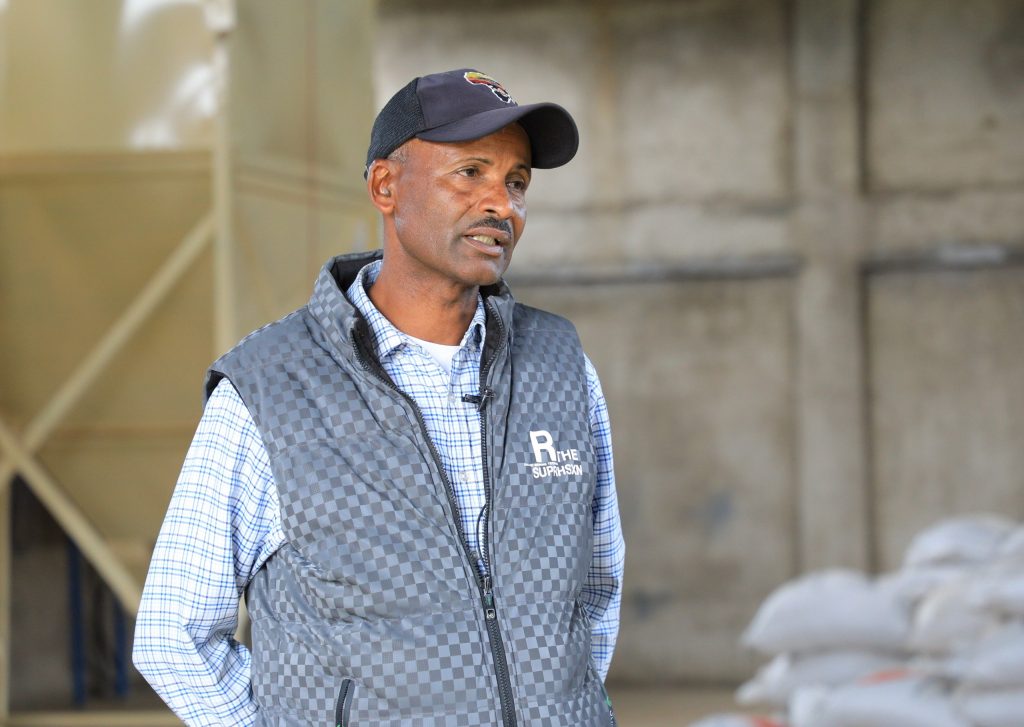
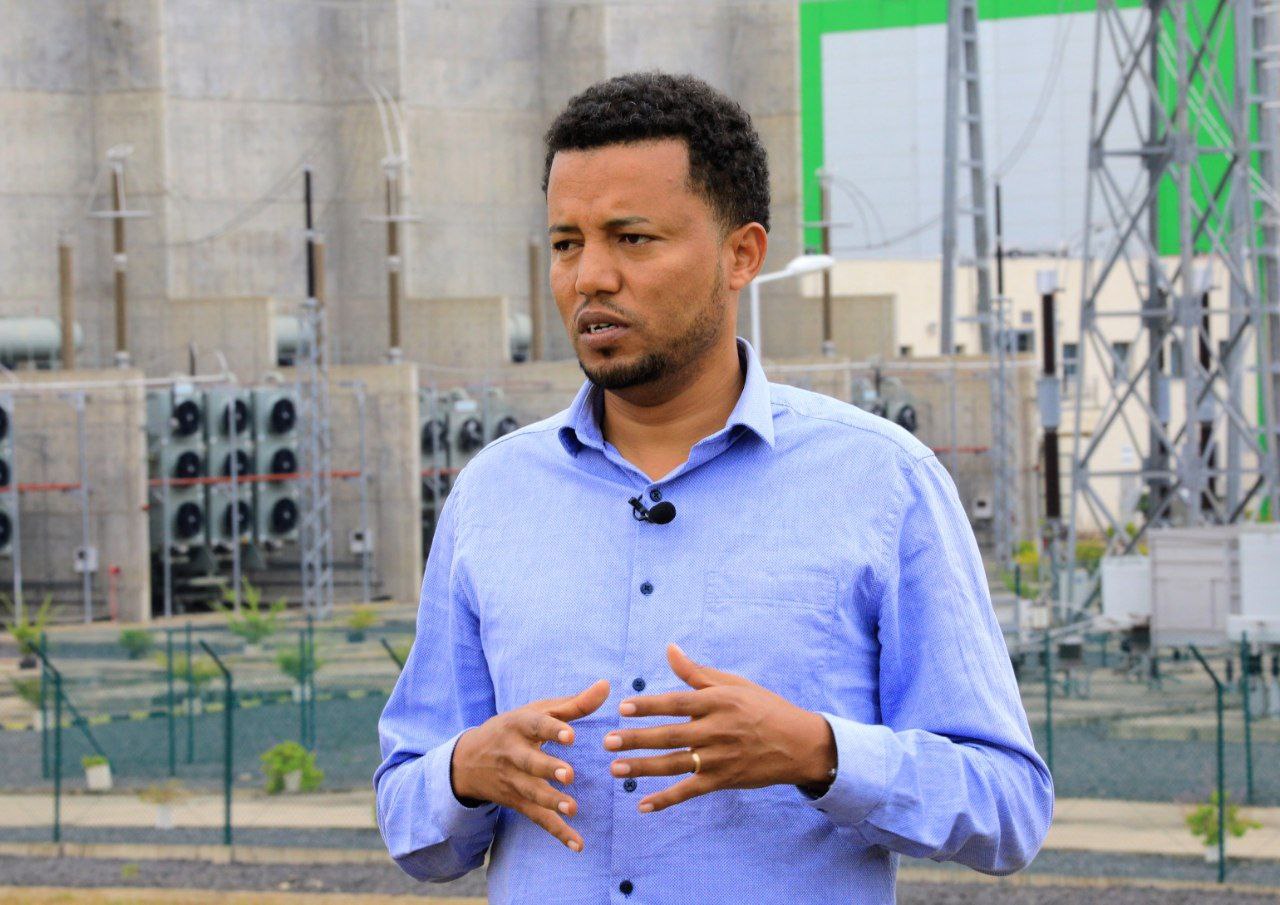
According to the substation manager, Habtamu Girma, in addition to fulfilling its national mission, the station has implemented several corporate social responsibility initiatives aimed at benefiting local communities.
He explained that when the converter station was constructed, 54 development-affected farmers lost grazing land. To help them rebuild their livelihoods sustainably, the institution constructed the animal feed processing factory at a cost of more than 33 million Birr, in addition to providing compensation payments.
Habtamu added that beyond constructing the facility, the institution also provided training and professional support to enable beneficiaries to properly operate the factory. Additionally, 60 quintals of raw materials were supplied to help launch production.
The Chief Administrator of Sodo Zuria Woreda, Estifanos Wate, stated that the factory was designed to enable farmers whose grazing land was taken for the project to produce animal feed and rebuild their livelihoods sustainably.
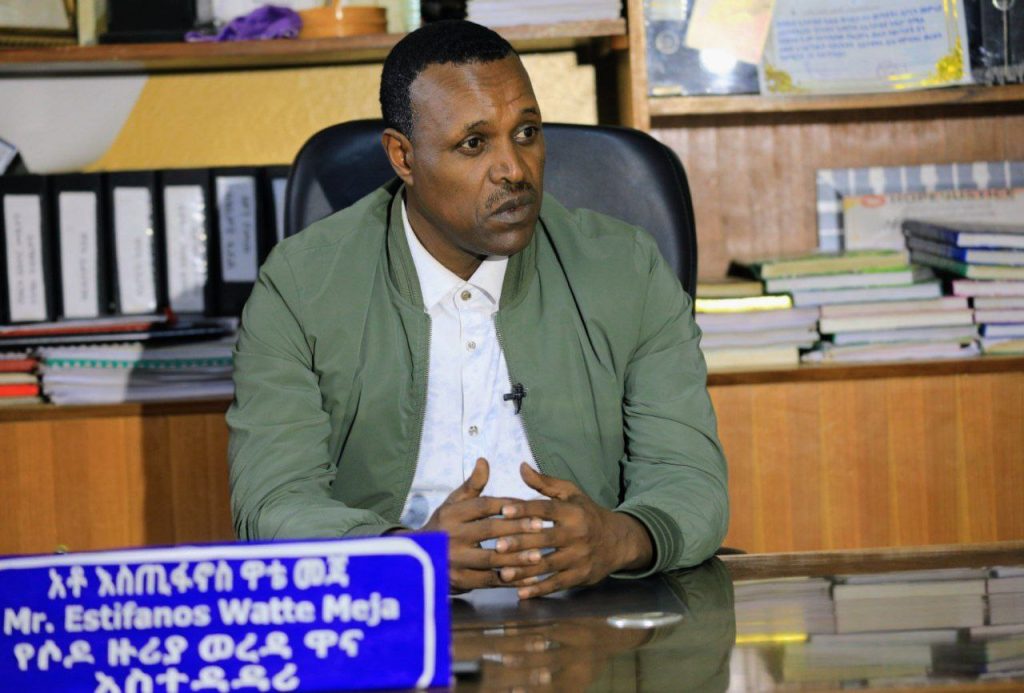
He emphasized that the facility will encourage the community to transition from traditional free grazing to modern livestock farming methods. This shift will support the breeding of improved livestock varieties and help increase both production and productivity.
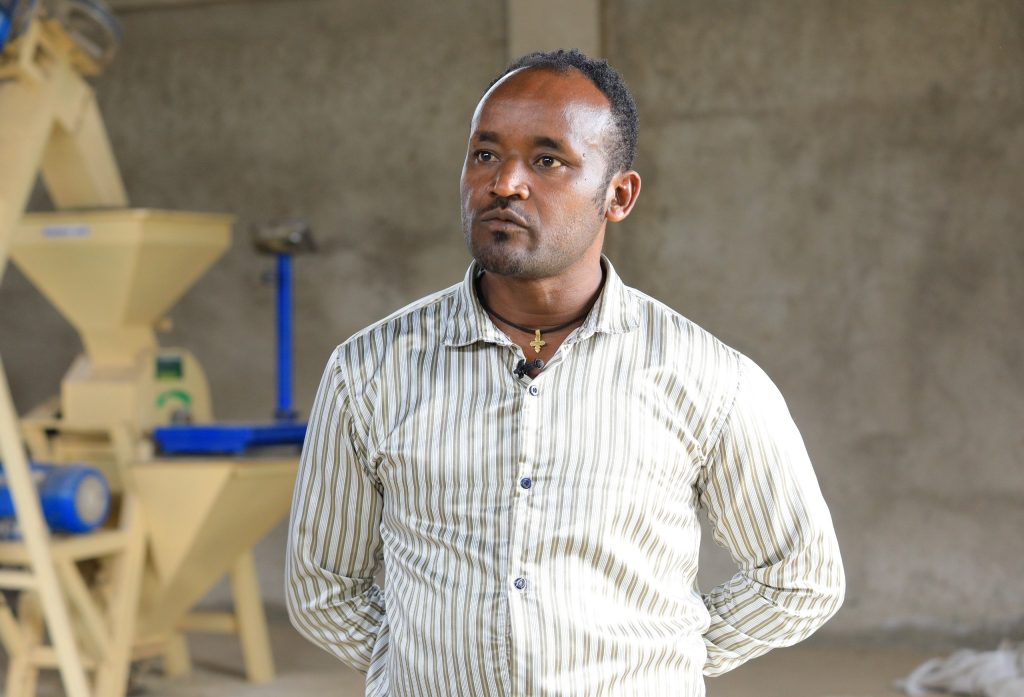
According to Afework Hailemariam, Secretary of the Waja Qero Sopila Development Cooperative Livestock Farming and Feed Processing Association, which includes 80 development-affected farmers and their families, the factory has the capacity to produce 12 quintals of cattle feed and 18 quintals of poultry feed per hour.
He further noted that once the factory begins operating at full capacity, it will benefit not only the cooperative members but also the broader local community in multiple ways.
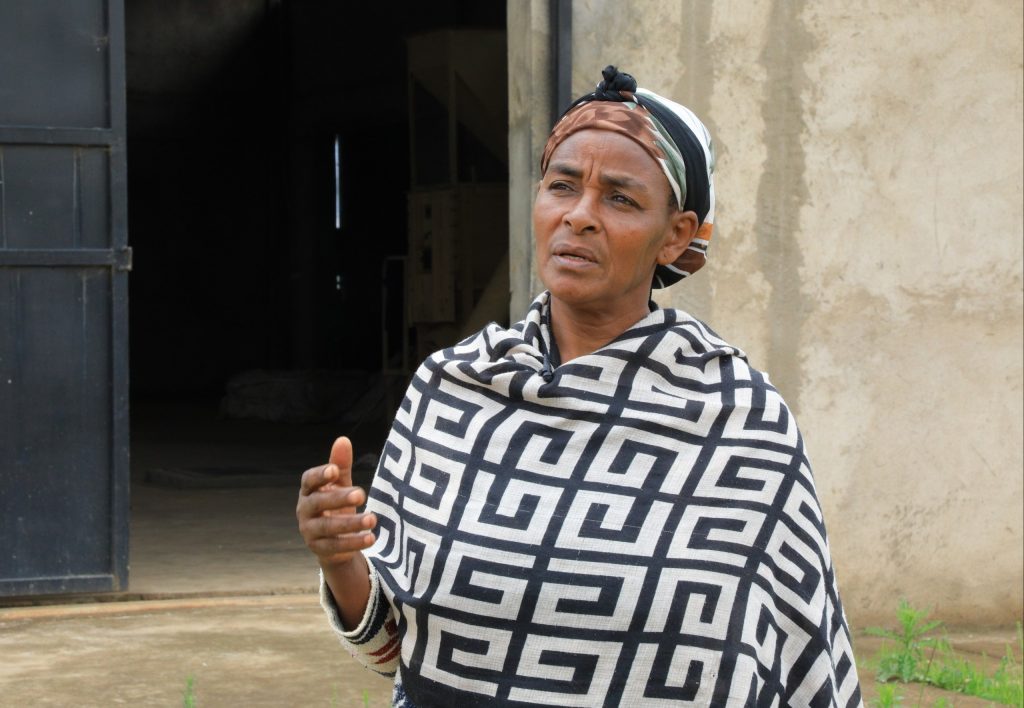
One cooperative member, Yemisirach Kabe, said the factory built by the institution will provide economic security, enabling her to raise her children and support her family.
“The factory is not only a means of livelihood for us today, but also a legacy and inheritance for our children tomorrow,” she said.