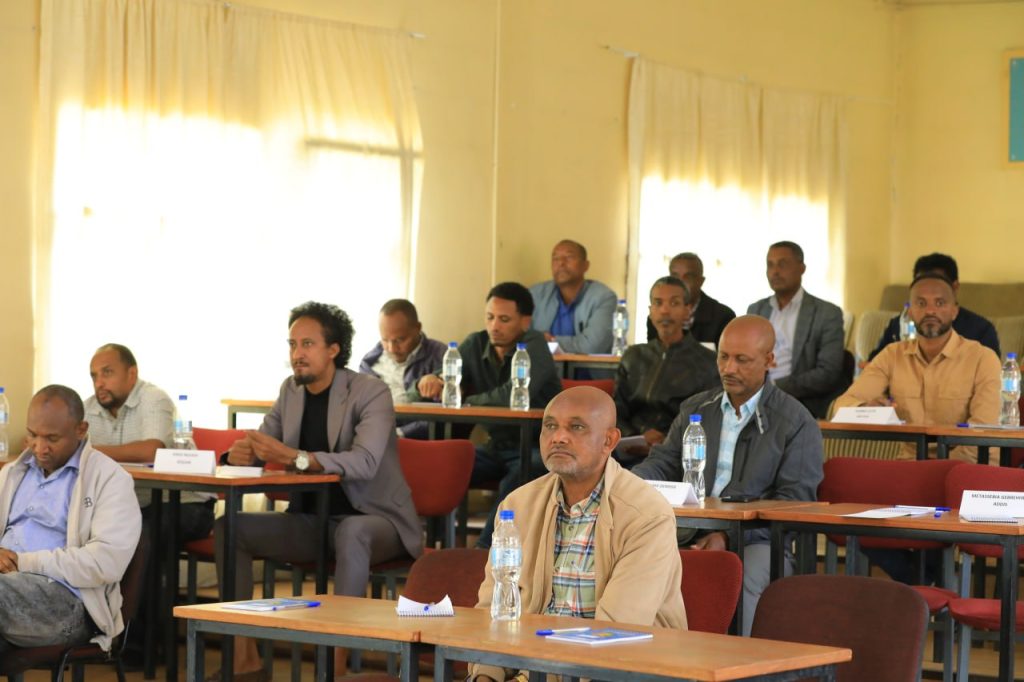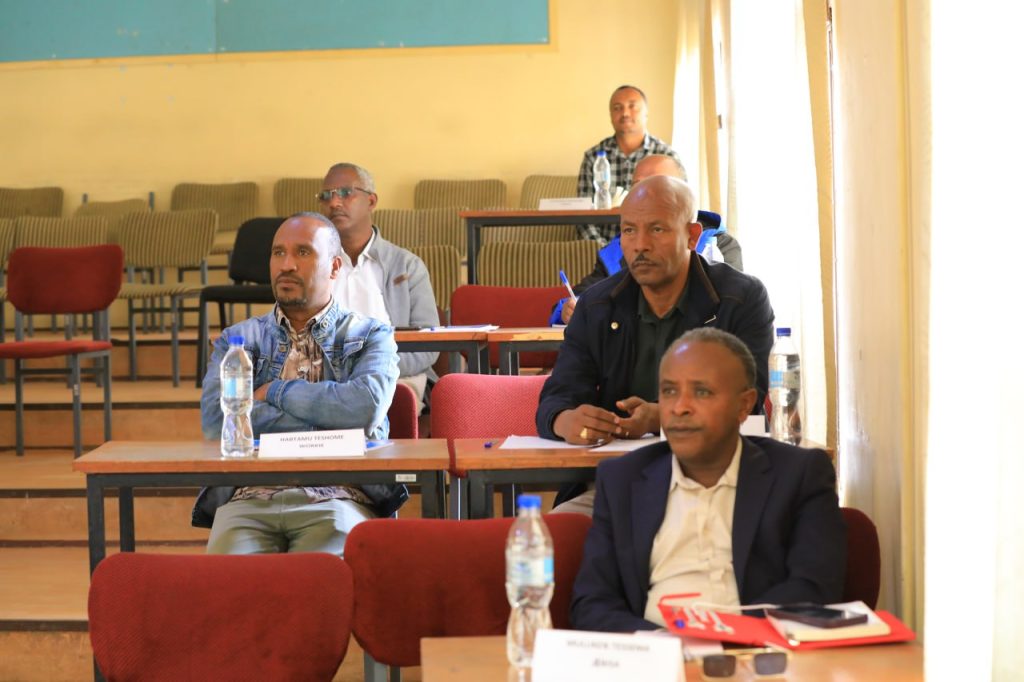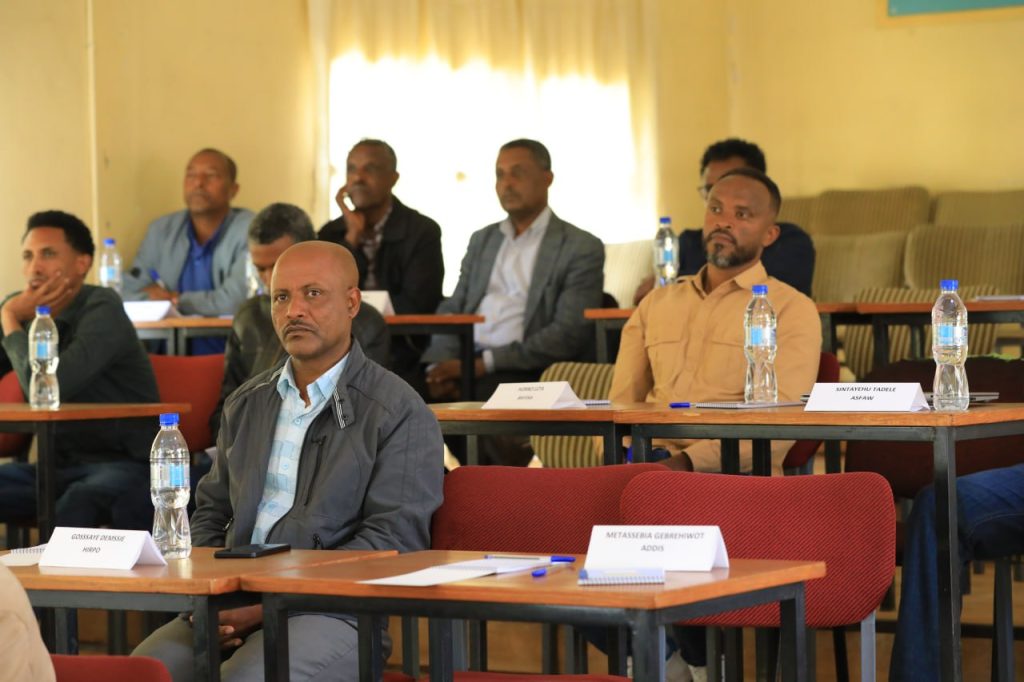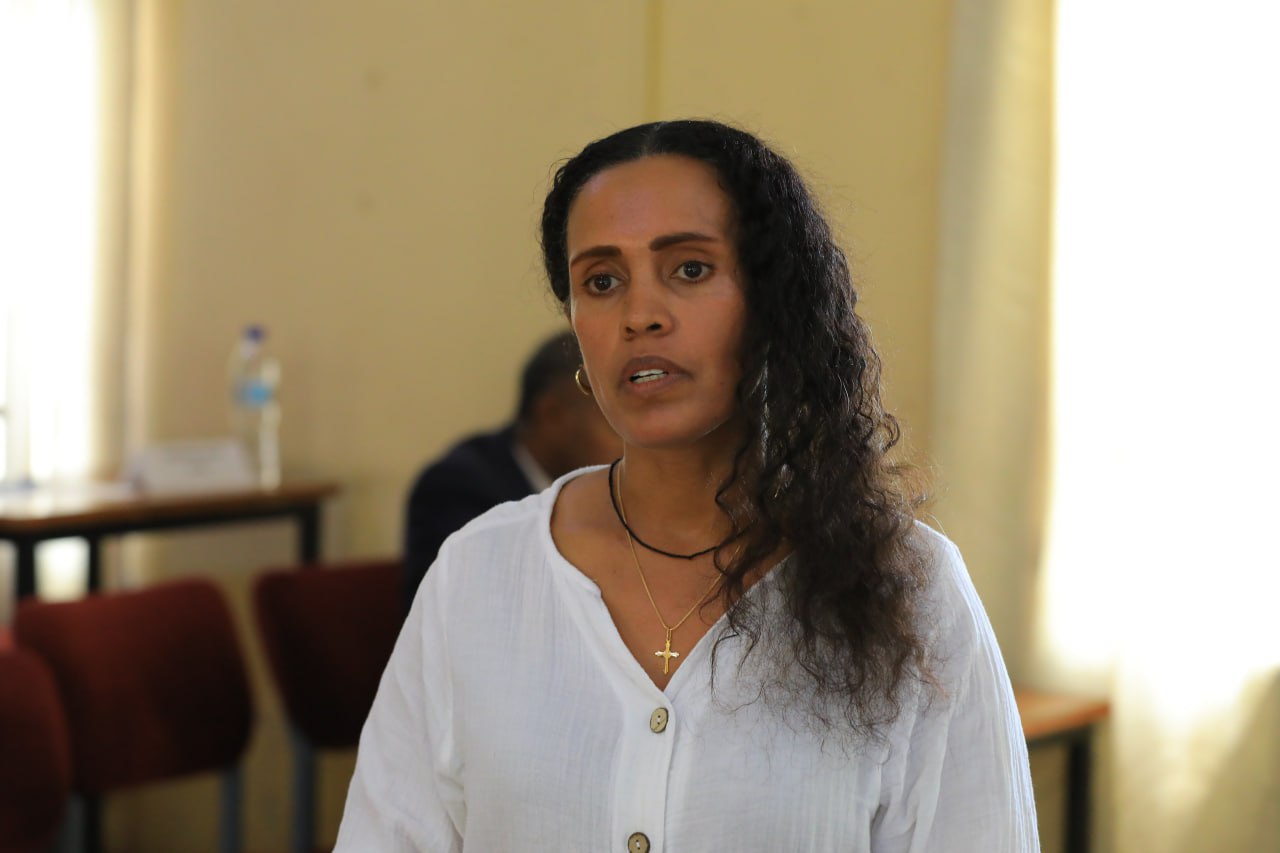
Identifying potential institutional risks early and responding rapidly is essential for maintaining stability within the operations of Ethiopian Electric Power (EEP), according to Tenaye Mekonnen, Manager of Leadership Development at the Ethio Power Academy.
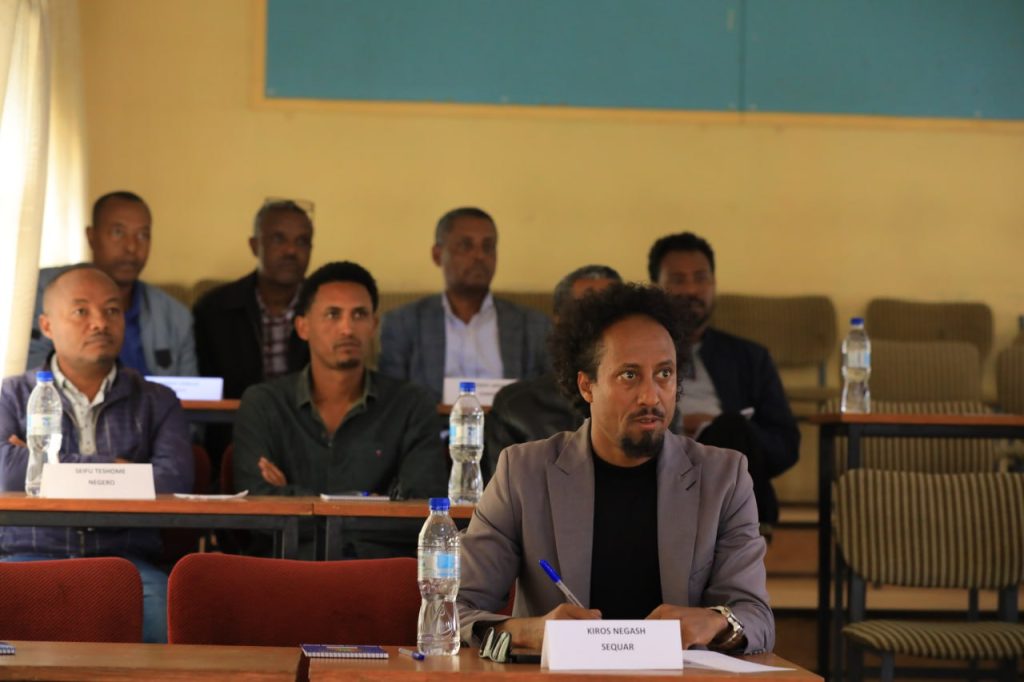
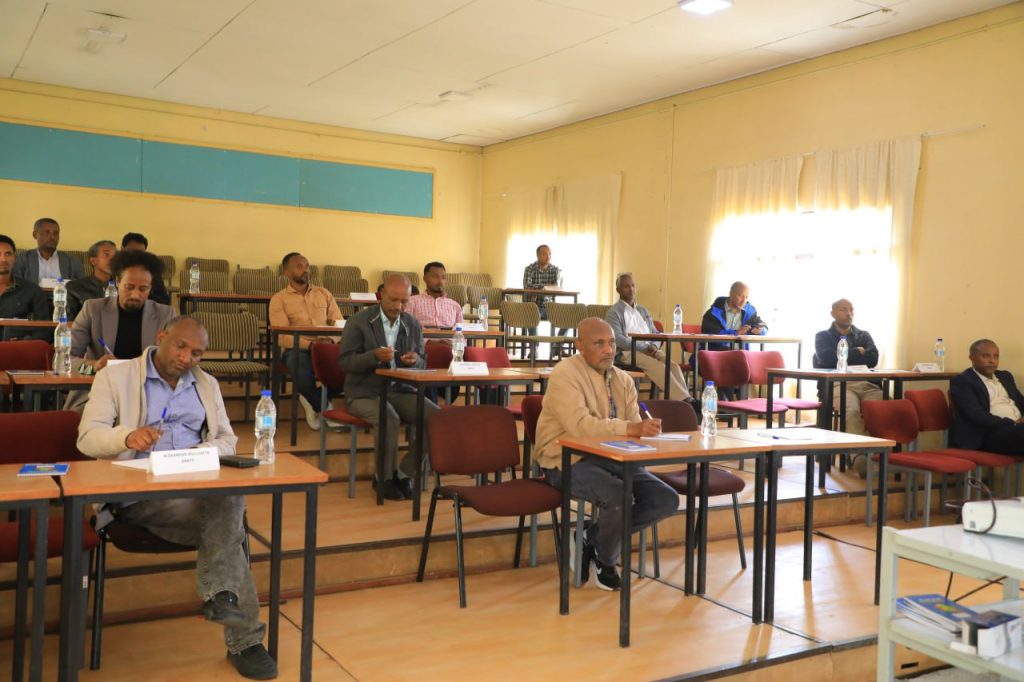
Speaking at the launch of a risk management training program for leaders drawn from various sectors of the organization, Tenaye emphasized that risks associated with power generation, substations (both under construction and in operation), transmission lines, and other institutional departments must be carefully identified.

She noted that preemptive measures are required to address these issues before they escalate into major problems.
Given that the utility sector’s operational environment is inherently linked to various risks, Tenaye explained that the training is designed to reduce vulnerabilities and prevent potential hazards that could affect the organization.
She further urged officials to ensure that the knowledge gained from the training translates into practical operational improvements aligned with the institution’s strategic goals.
Helina Alemayehu, Institutional Risk Management Manager under the Corporate Planning Sector at Ethiopian Electric Power, added that the training is vital for establishing an effective risk management system capable of addressing complex challenges.
She explained that the training curriculum focuses on comprehensive risk management plans, core principles, implementation processes, and identifying potential challenges along with appropriate solutions.
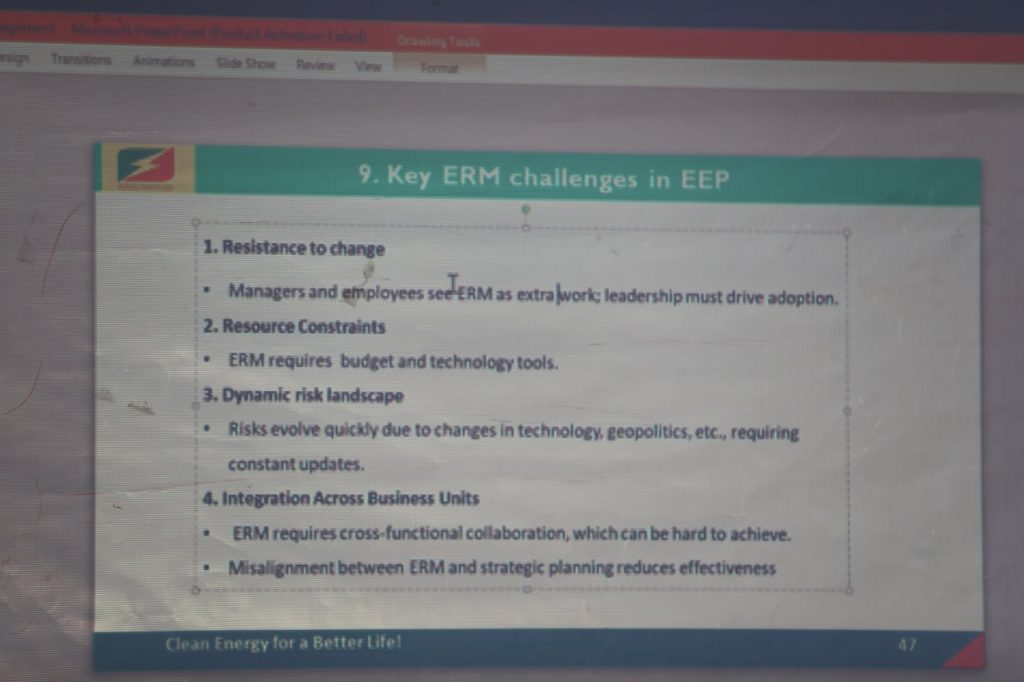
Helina also pointed out that financial and technological constraints, as well as the tendency to view risk management as an “additional task” rather than a core responsibility, remain significant barriers to effective implementation.
She revealed that key institutional risks for the current fiscal year have already been identified. Consequently, department heads are expected to develop comprehensive risk management plans and integrate them into their routine operational activities.
She concluded by stressing that risk assessment must be conducted with a clear understanding of EEP’s national responsibilities and the critical infrastructure it manages.