
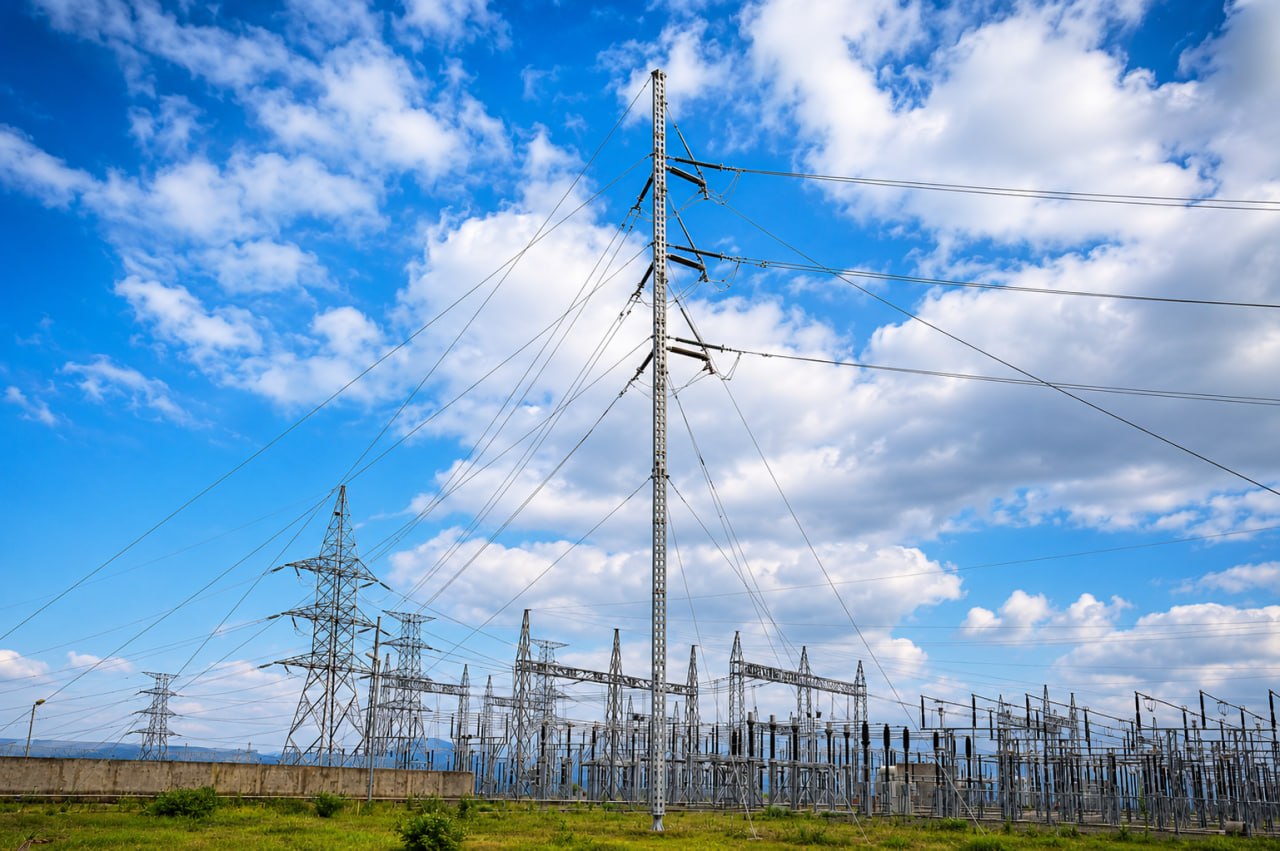
Ethiopian Electric Power (EEP) is testing a modern emergency restoration tower system designed to help technicians restore electricity faster when transmission lines are damaged unexpectedly.
The new Emergency Restoration Towers (ERTs) are lightweight, rapidly assembled steel structures that can temporarily replace damaged transmission towers and help get electricity flowing again while permanent repairs are carried out.
For power customers, the technology could mean one important thing: less time without electricity when unexpected transmission failures occur.
Traditionally, emergency repairs have required technicians to install between 18 and 20 wooden poles to support transmission lines and keep them safely above the ground. The process can be time-consuming and labor-intensive.
The new steel towers offer a faster alternative. Using anchor wires and a relatively simple assembly process, technicians can erect the temporary structures within a few hours, allowing damaged transmission lines to be restored much more quickly.
Faster response when the grid is under pressure
The towers are also being tested as a tool for load balancing across the transmission network.
When one transmission line becomes congested or unavailable, electricity can potentially be rerouted through lines with available capacity. This can help re-energize areas affected by an outage while maintenance teams work on the damaged infrastructure.
EEP says the technology could therefore play an important role not only in emergency repairs, but also in improving the flexibility and resilience of the national power grid.
From training ground to real-world application
The technology has already undergone practical testing.
During a training exercise in the Mojo area, EEP technicians successfully demonstrated the rapid installation of a temporary emergency tower, reducing the setup time from more than half a day through improved assembly techniques and practical experience.
The towers have also demonstrated their potential on 230-kilovolt transmission lines, including the Bishoftu–Koka, Bishoftu–Hurso, and Gelan–Mojo lines.
In situations where a transmission interruption could otherwise have resulted in outages lasting up to seven days, the emergency towers were used for load balancing and temporary restoration, helping maintain electricity supply while permanent solutions were pursued.
A safer way to respond
Beyond restoring electricity more quickly, the technology is expected to improve working conditions for maintenance crews.
Emergency transmission-line repairs can expose technicians to significant operational risks, particularly when damaged infrastructure has to be stabilized under difficult field conditions. The modern tower system provides a more structured and standardized approach to temporary restoration, helping reduce some of these hazards.
Expanding the technology nationwide
EEP is now looking beyond the initial trials.
Based on recent technical studies, strategic locations are being identified as regional emergency restoration hubs where the towers and necessary equipment can be positioned for rapid deployment.
The approach is intended to reduce the distance emergency teams and equipment must travel following a transmission failure, ultimately shortening restoration times across different parts of the country.
For EEP, the introduction of Emergency Restoration Towers represents more than the adoption of new equipment. It is part of a broader effort to build a faster, safer and more resilient electricity transmission system—one capable of responding quickly when unexpected failures occur.
As Ethiopia’s power system continues to expand, technologies that help keep electricity flowing during emergencies are becoming increasingly important.