
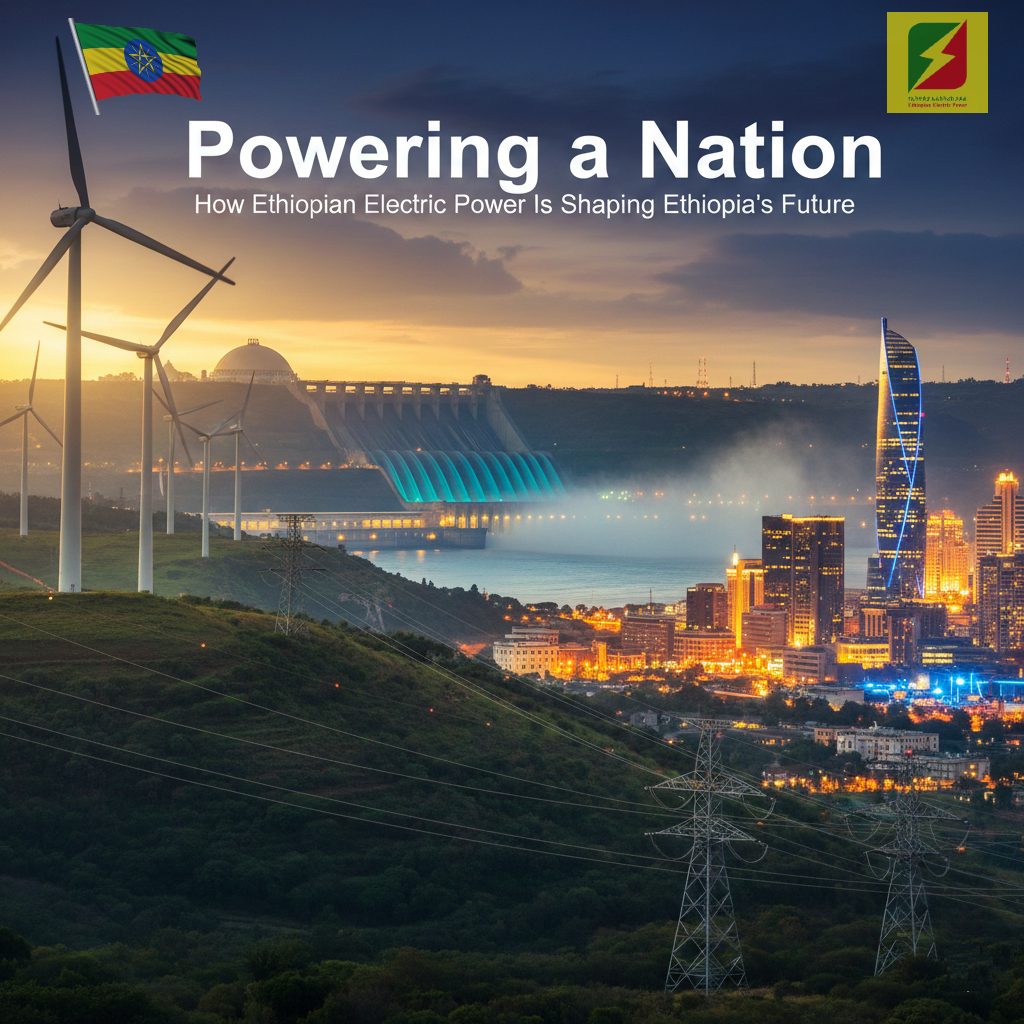
Ethiopian Electric Power (EEP) is more than a utility – it is one of the central forces behind Ethiopia’s economic transformation. As the state-owned enterprise responsible for generating, transmitting, and exporting electricity, EEP plays a pivotal role in advancing the country’s ambition to become a middle-income economy and a renewable energy hub for East Africa.
By harnessing Ethiopia’s abundant natural resources – its rivers, wind corridors, and geothermal potential, EEP is working to expand reliable electricity access to more than 120 million citizens. At the same time, the institution is strengthening Ethiopia’s position in the regional power market, exporting energy and fostering economic integration across East Africa.
Transformative Projects: From GERD to Ayisha and Koysha
Ethiopia’s energy story is defined by bold, nation-shaping infrastructure. At the center stands the Grand Ethiopian Renaissance Dam (GERD). GERD has reached full operational capacity, contributing 5,150 MW to the national grid. This single project accounts for more than half of the country’s total power generation. Beyond numbers, GERD powers industrial parks, fuels urban growth, supports digital transformation, and significantly reduces dependence on traditional biomass fuels.
EEP has also taken major steps to diversify Ethiopia’s energy mix, strengthening climate resilience and long-term sustainability.
The Ayisha II Wind Farm, located in the Somali Regional State, was recently inaugurated with an installed capacity of 120 MW. Despite global financing uncertainties, EEP demonstrated institutional resilience by financing the final phase of the project through its own revenues—ensuring that the wind-rich eastern corridor became fully integrated into the national grid.
Meanwhile, the Koysha Hydroelectric Project on the Omo River is nearing completion. With an expected capacity of 1,800 MW, Koysha will become Ethiopia’s third-largest power plant. Beyond serving domestic demand, it is designed to generate surplus electricity for export to neighboring countries such as Kenya and Djibouti, strengthening regional energy cooperation.
Together, these projects signal a strategic shift: Ethiopia is not only generating power—it is building long-term energy security.
Strengthening the Backbone: Modernizing Substations and Transmission
Producing electricity is only part of the equation. Delivering it reliably to homes, factories, hospitals, and schools requires a strong and modern transmission network.
EEP has therefore launched an ambitious nationwide program to construct and rehabilitate substations. Recognizing that aging infrastructure contributes to outages and energy losses, the company is upgrading more than 20 key substations, including major facilities in Dessie and Kombolcha.
These upgrades include replacing outdated switchgear with modern 15 kV and 33 kV systems and installing Static Var Compensators (SVCs) to stabilize voltage and prevent large-scale disruptions. Such technical improvements enhance grid reliability and protect national assets.
In high-demand areas like Addis Ababa, the Addis Ababa Transmission and Distribution System Rehabilitation Project is modernizing the urban grid to keep pace with rapid population growth and industrial expansion. Investments in mobile substations and underground transmission lines -such as the Chaka-Kotebe project—are reducing energy loss and improving service quality.
These efforts directly support the National Electrification Program’s target of achieving 78% grid coverage by 2030. The goal is clear: ensure that the energy generated from landmark projects like GERD and Koysha reliably reaches the people and businesses it is meant to serve.
A Nation Powered by Vision
EEP’s work goes beyond infrastructure. It represents a long-term commitment to sustainable development, regional integration, and energy sovereignty.
As Ethiopia strengthens its generation capacity and modernizes its grid, the country is not merely expanding electricity access – it is laying the foundation for industrial growth, job creation, and shared prosperity across Africa.