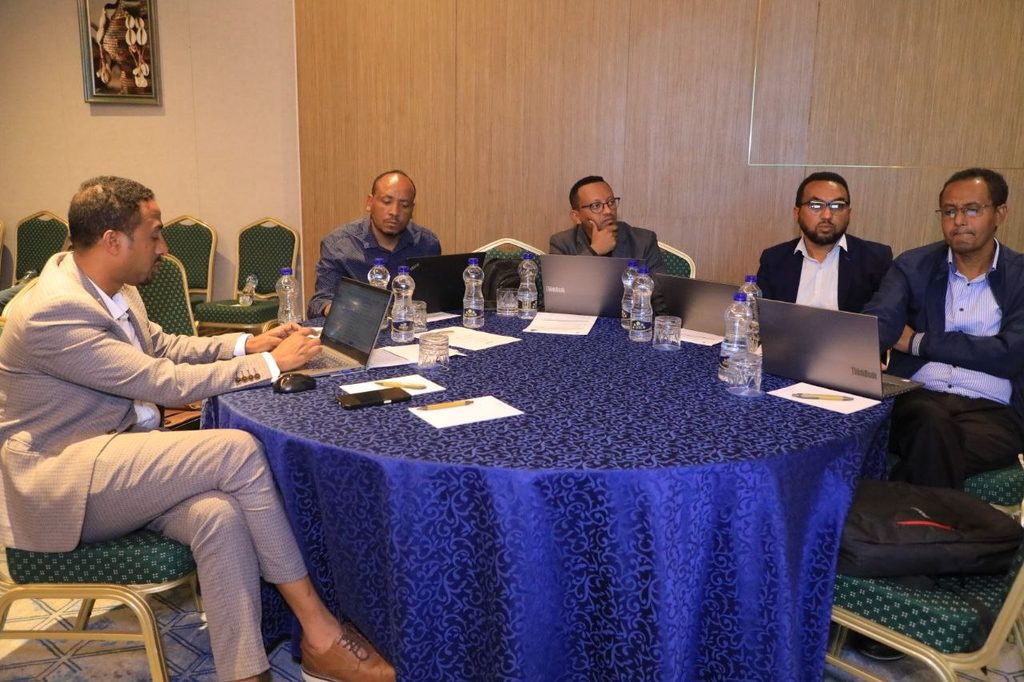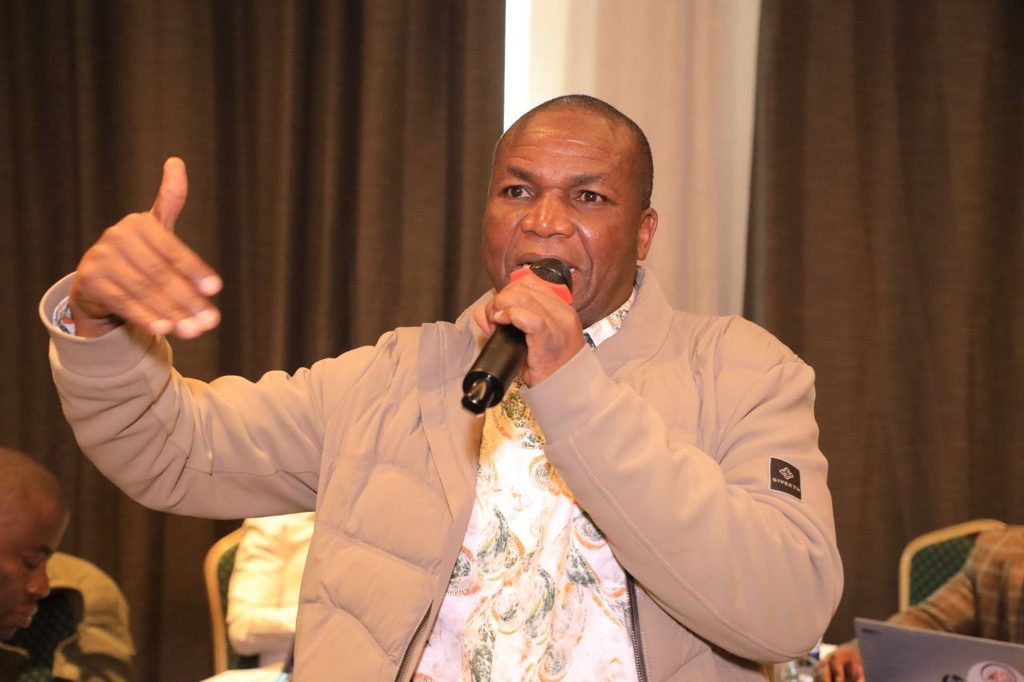
East African countries must strengthen regional cooperation, political commitment, and investment in renewable energy and cross-border transmission infrastructure to unlock the region’s vast power potential and accelerate economic integration, a senior Ethiopian Electric Power (EEP) official said Monday.
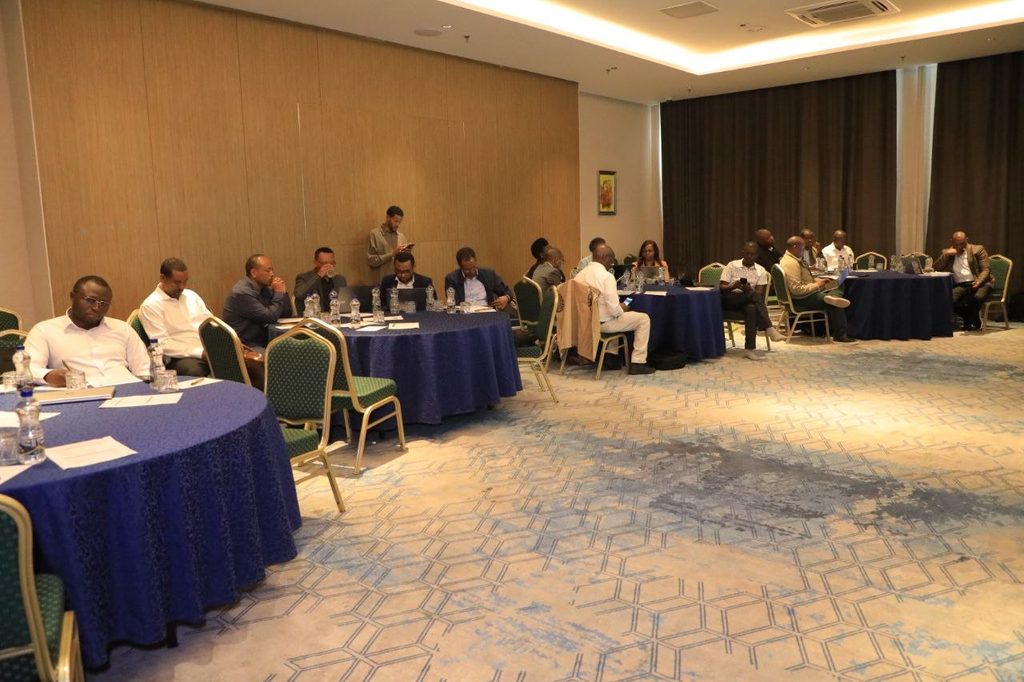
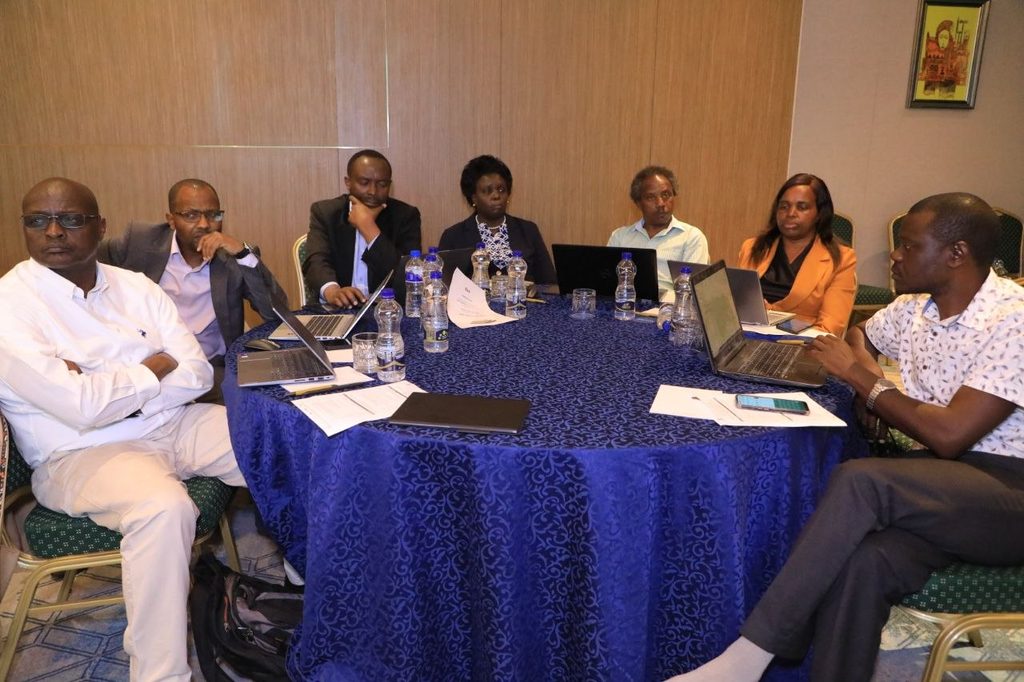
The call was made during a consultative forum convened to assess energy supply and demand, strengthen power-system interconnections, and advance regional electricity cooperation among member states of the Eastern Africa Power Pool (EAPP). The two-day forum is being held at the Ethiopian Skylight Hotel in Addis Ababa.
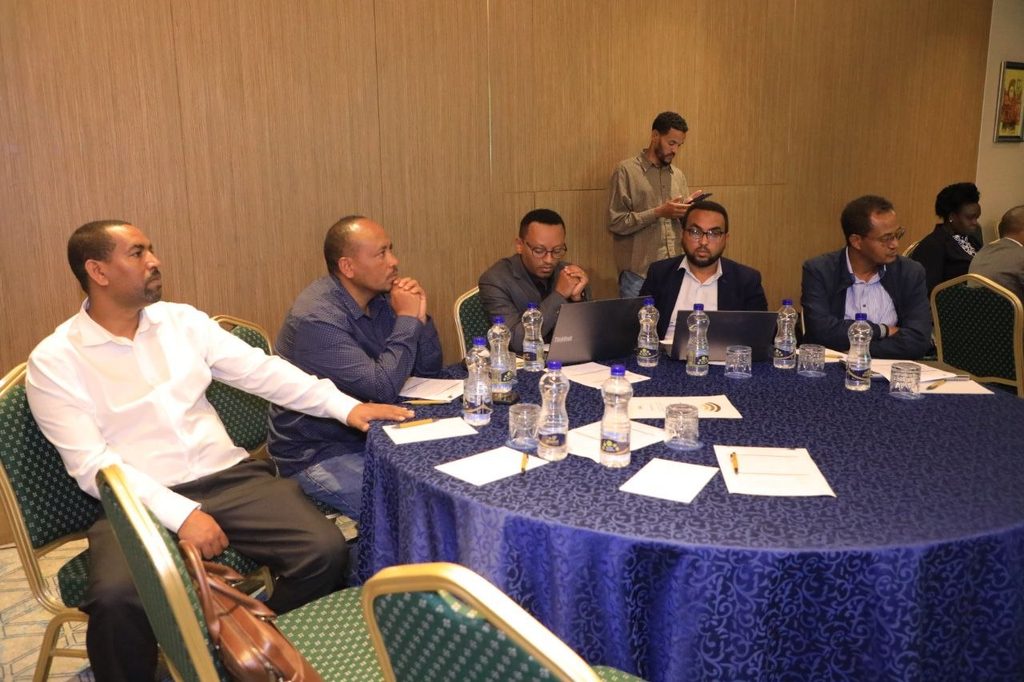
Delivering the opening remarks on behalf of Engineer Ashebir Balcha, Chief Executive Officer of Ethiopian Electric Power (EEP) and Chairman of the EAPP Steering Committee, Engineer Yalewayker Mandefro underscored the increasingly central role of electricity in driving economic transformation.
He noted that the rapid expansion of artificial intelligence (AI), digital technologies, automation, and data-driven industries has made reliable electricity a fundamental pillar of modern economic growth. Persistent energy deficits, however, together with limitations in grid capacity and reliability, continue to constrain communities, businesses, and industries across the region.
East Africa, he said, is exceptionally well positioned to meet its growing energy needs through its abundant renewable resources. Ethiopia has significant hydropower potential, Kenya is a regional leader in geothermal energy, while countries across the region possess substantial solar and wind resources.
However, Engineer Yalowayker stressed that resource availability alone cannot guarantee energy security or economic transformation.
“The presence of renewable energy resources is only the starting point. What matters is our collective ability to develop these resources, build the necessary transmission infrastructure, and ensure that reliable electricity reaches consumers and productive sectors.”
He highlighted the growing importance of regional power-system integration under the EAPP, noting that cross-border transmission infrastructure has increasingly demonstrated that electricity can transcend national boundaries and become a catalyst for regional economic integration.
Through interconnected grids, countries with surplus generation can supply neighboring countries experiencing power shortages, improving system reliability while creating opportunities for more efficient and cost-effective electricity trade.
Regional interconnection can also support the development of industrial corridors, improve electricity access, strengthen energy security, and create a more resilient regional power system capable of responding to fluctuations in generation and demand.
Engineer Yalowayker therefore called on EAPP member states to strengthen their collective commitment to building an integrated, clean, reliable, and economically efficient regional electricity system.
He emphasized that achieving this vision requires not only technical cooperation but also firm national commitments, coordinated investment, and sustained institutional collaboration toward establishing a fully operational regional electricity market.
The two-day consultative forum of the Eastern Africa Power Pool (EAPP) is focusing on strengthening the reliability and resilience of the region’s interconnected power system, with member states reviewing recent technical developments and identifying measures to address emerging challenges.
A key focus of the forum is El Niño preparedness and mitigation, with participating countries presenting their respective measures to minimize the potential impacts of El Niño-related conditions on power generation and system operations.
Participants are also conducting a joint technical assessment of power-system disturbances recorded across the East African interconnected grid over the past year. The assessment examines the root causes and impacts of the disturbances, while drawing lessons and identifying emerging trends that could inform future grid management.
The discussions are expected to strengthen coordination among EAPP member states and contribute to the development of a more reliable, resilient, and integrated regional electricity market.