Ethiopia is finalizing preparations to double its electricity exports to Kenya from the current 200 megawatts to 400 megawatts, Ethiopian Electric Power (EEP) announced.
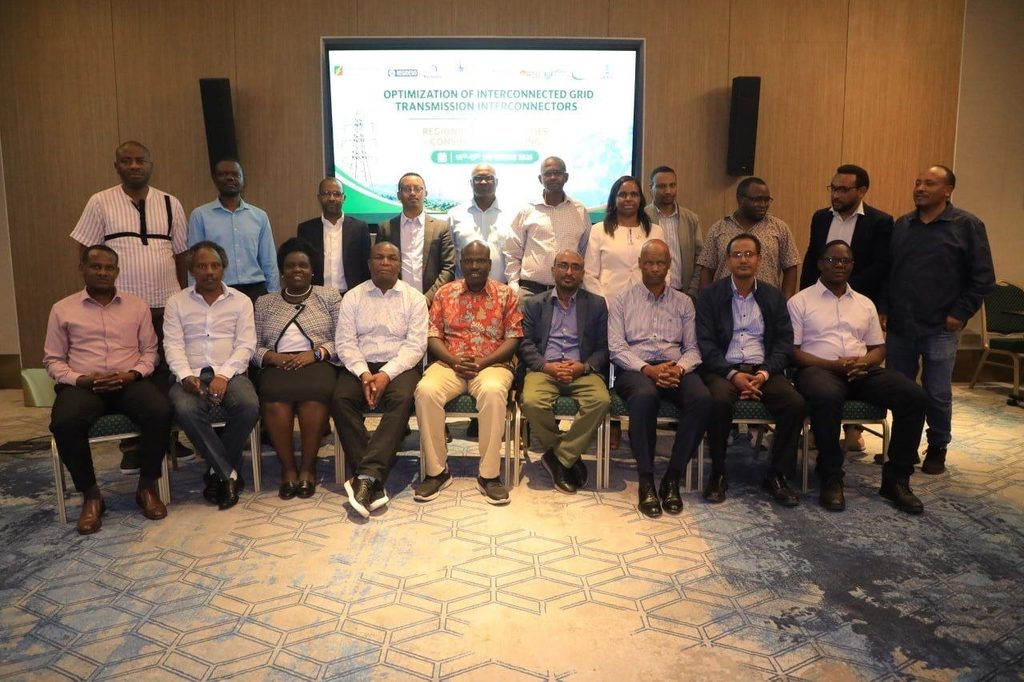
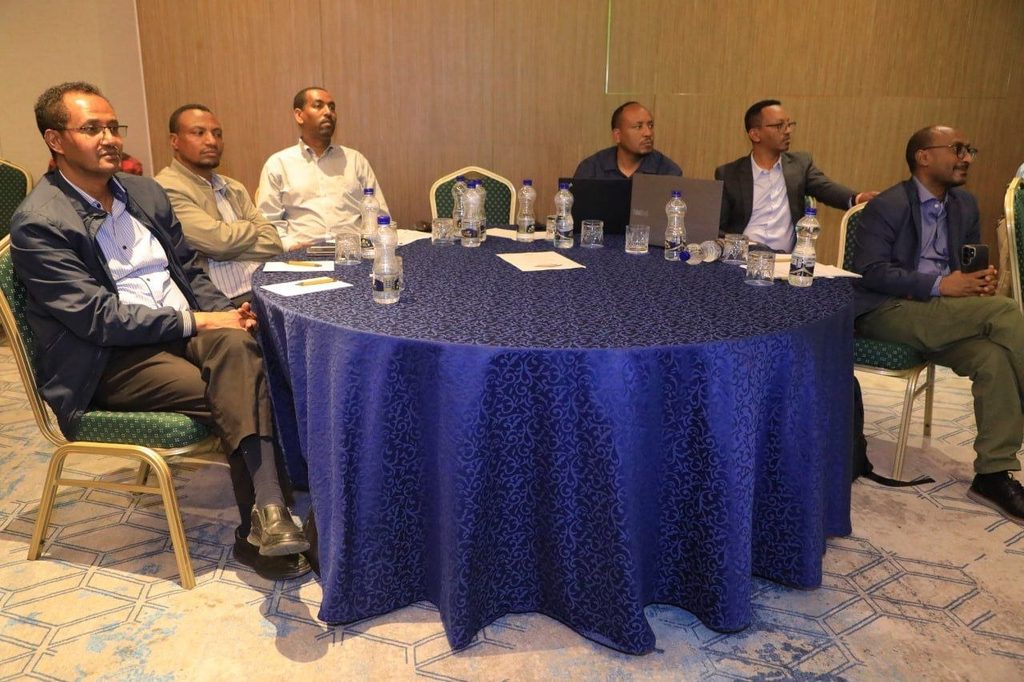
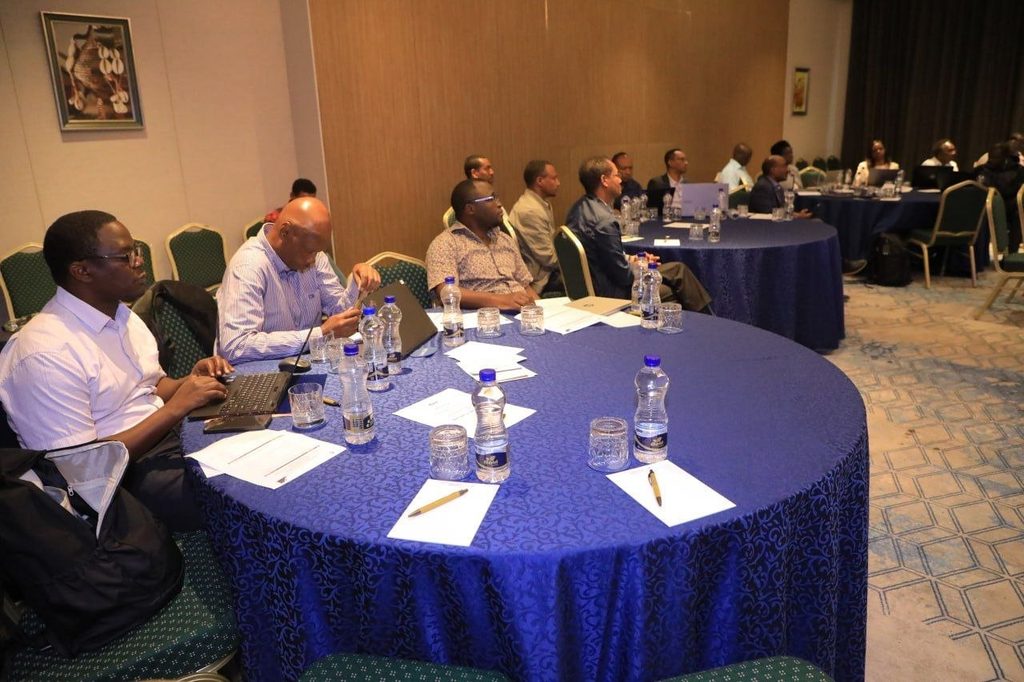
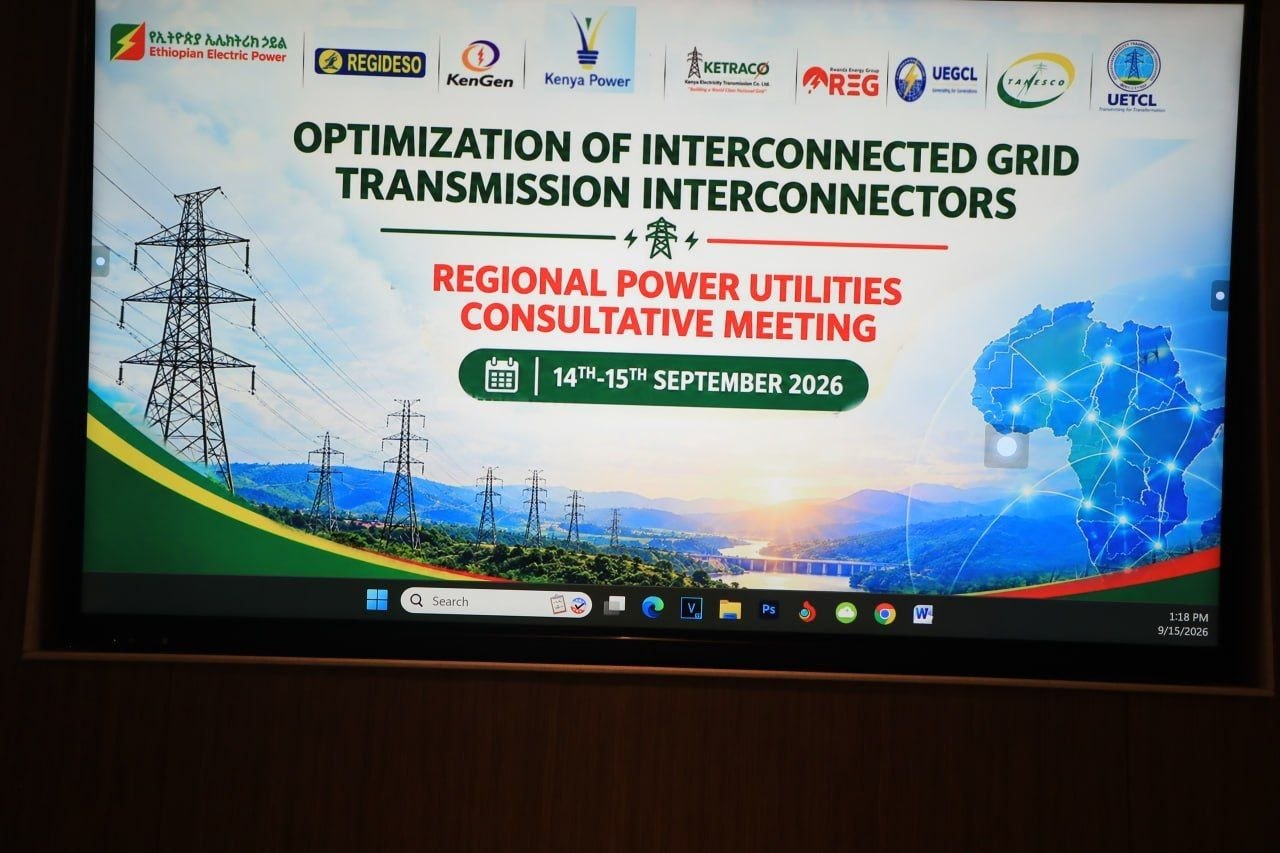
The announcement was made at the conclusion of a consultative forum held in Addis Ababa, which brought together regional partners to discuss strengthening electricity integration and expanding power trade across East Africa.
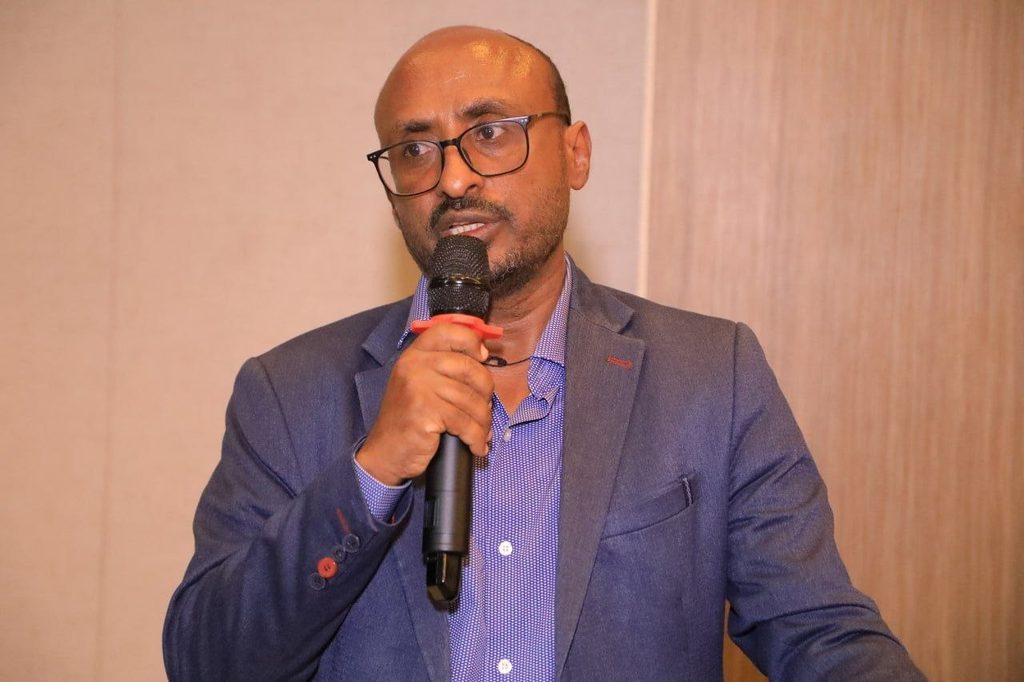
Briefing participants, EEP acting Deputy CEO for the Transmission Business, Engineer Destalem Hailu said Ethiopia currently supplies 200 MW of electricity to Kenya.
Following the completion of ongoing technical and preparatory activities between the two countries, the supply is expected to increase to 400 MW starting in December.
A joint technical committee has already begun work to oversee trial operations and ensure the stability and reliability of the interconnected power systems before the additional electricity is dispatched.
Engineer Destalem said particular attention is being given to system security because Kenya’s electricity grid is interconnected with other neighboring countries.
Coordinated technical measures are therefore being undertaken to minimize potential risks to regional grid stability.
Beyond the Kenya corridor, Ethiopia is also supplying 100 MW of electricity to Tanzania on a pilot basis.
Regular electricity exports to Tanzania are expected to commence following the completion of infrastructure upgrades linking the Kenyan and Tanzanian power systems.
Meanwhile, Ethiopia is advancing additional transmission infrastructure, including new transmission lines and substations, to expand its cross-border electricity export network.
The expansion of regional power trade is expected to strengthen electricity system interconnections, improve reliability and access, and create greater opportunities for mutual economic benefits among East African countries.
EEP said regional energy integration and cooperation remain critical to building a more interconnected, reliable and resilient East African electricity market.