Ethiopian Electric Power (EEP) has announced that it is working to develop an energy implementation model aimed at improving the performance of power infrastructure projects.
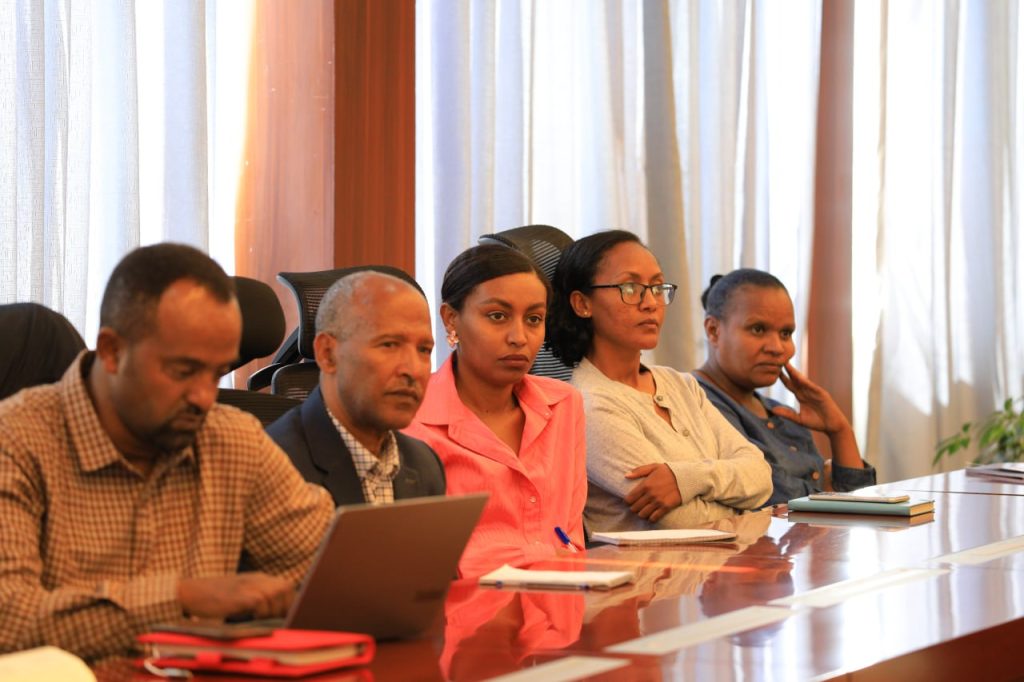
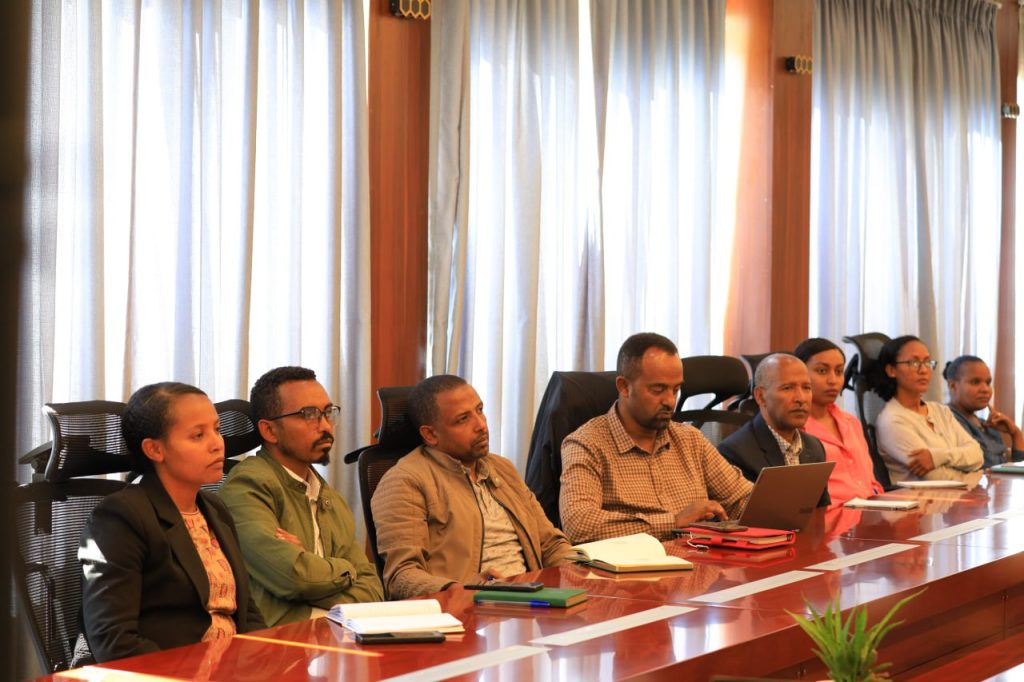
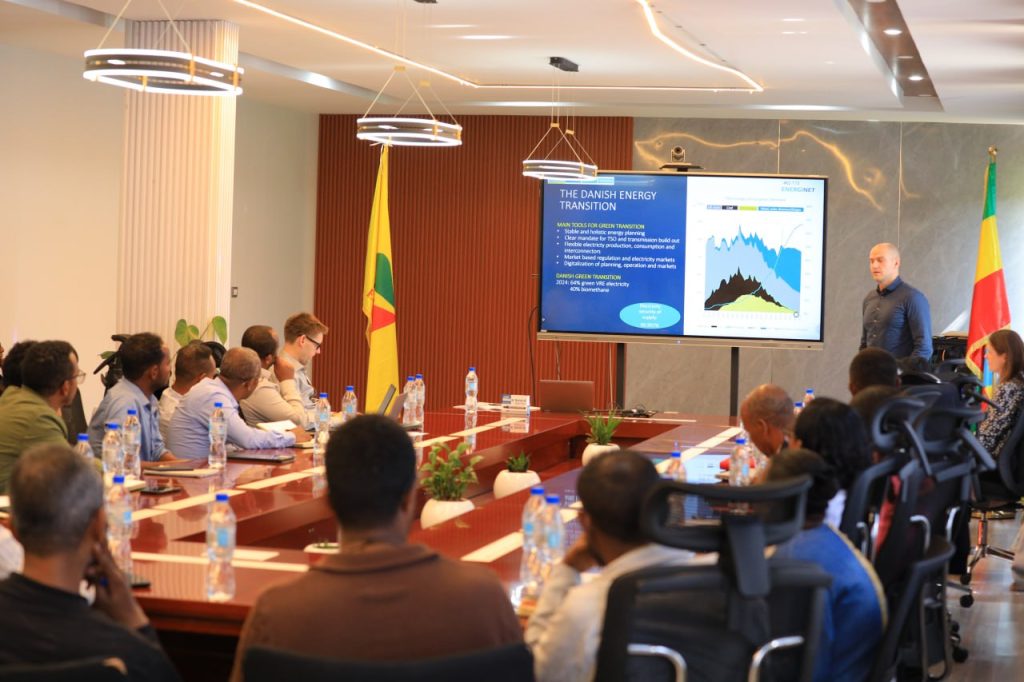
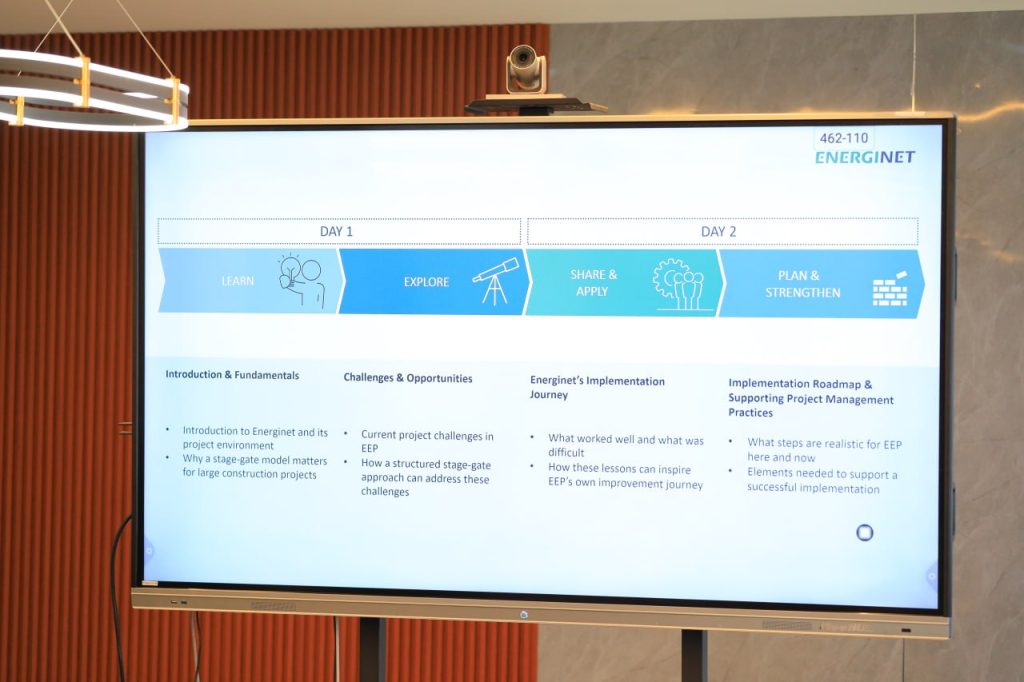
In collaboration with the Danish Energy Agency and Energinet, a Danish electricity and gas transmission company, the institution recently conducted a workshop focused on addressing delays observed in project implementation.
The workshop was organized under the framework of the Danish-Ethiopian Energy Partnership and aimed to enable EEP executives and experts to gain insights from international best practices and experiences related to project implementation models.
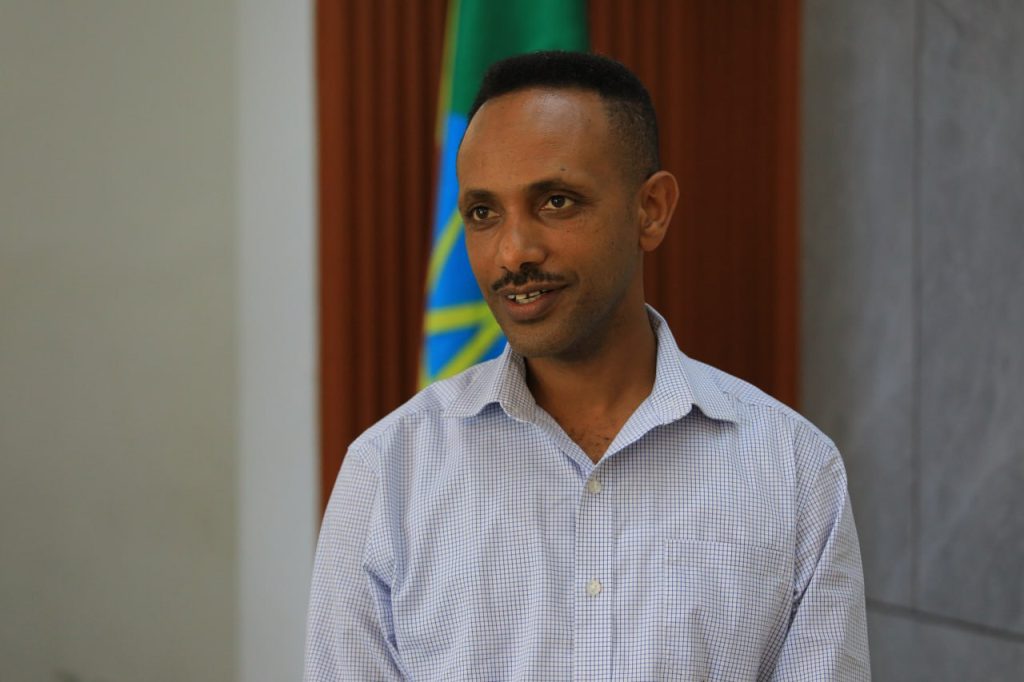
Speaking at the event, Acting Corporate Planning Executive Officer at EEP, Yalewayker Mandefro, emphasized that developing a structured project implementation model is essential to address the challenges affecting project performance within the institution.
He noted that the extensive experience of Energinet in managing power infrastructure projects will provide valuable input in supporting EEP’s efforts to design its own tailored implementation model.
According to him, studies have been conducted over the past year on several major projects, including Koysha, Asella, Aisha II, Southern Grid, and Bekoji projects. The preliminary findings of these studies have already been presented to the institution’s senior management.
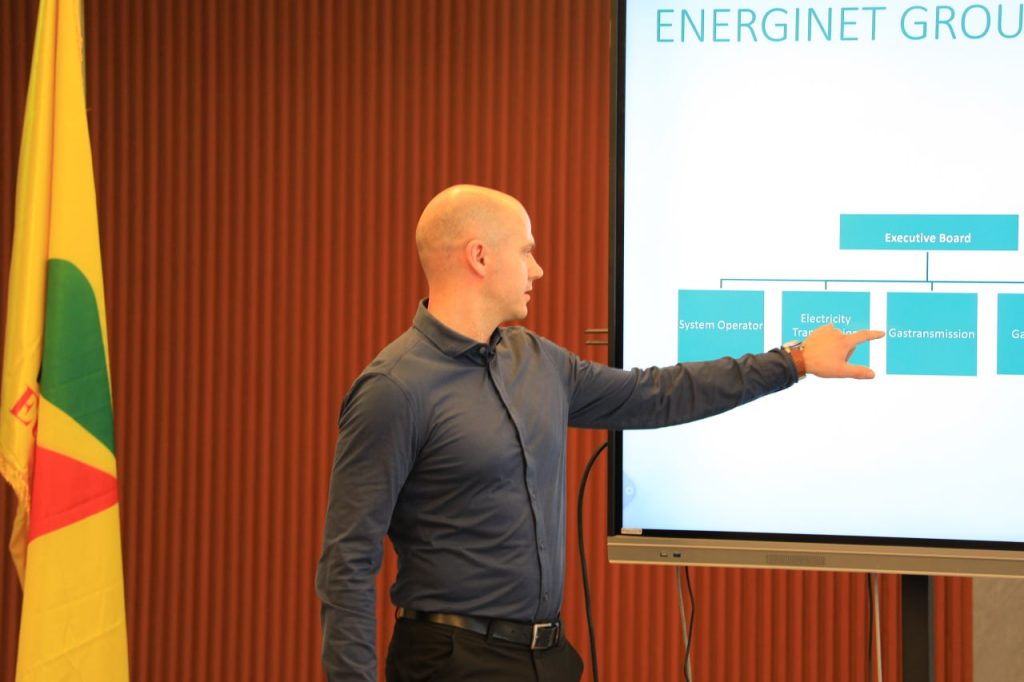
Project Model and Tools Manager at Energinet, Mikkel Nielsen, stated that while it is beneficial to draw lessons from international experiences in power infrastructure development, it is crucial to adapt such models to local and institutional contexts.
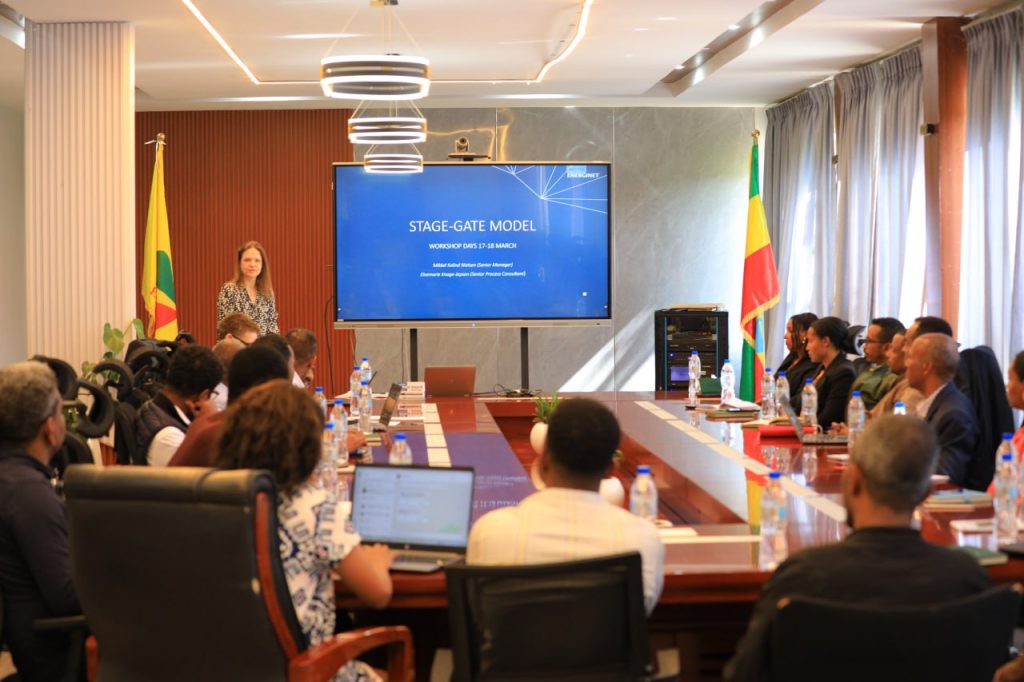
He further explained that in Denmark, key bottlenecks in project implementation often include environmental permitting processes and the procurement of transformers and conductor materials. He stressed the importance of identifying and addressing context-specific challenges in Ethiopia’s power infrastructure development.
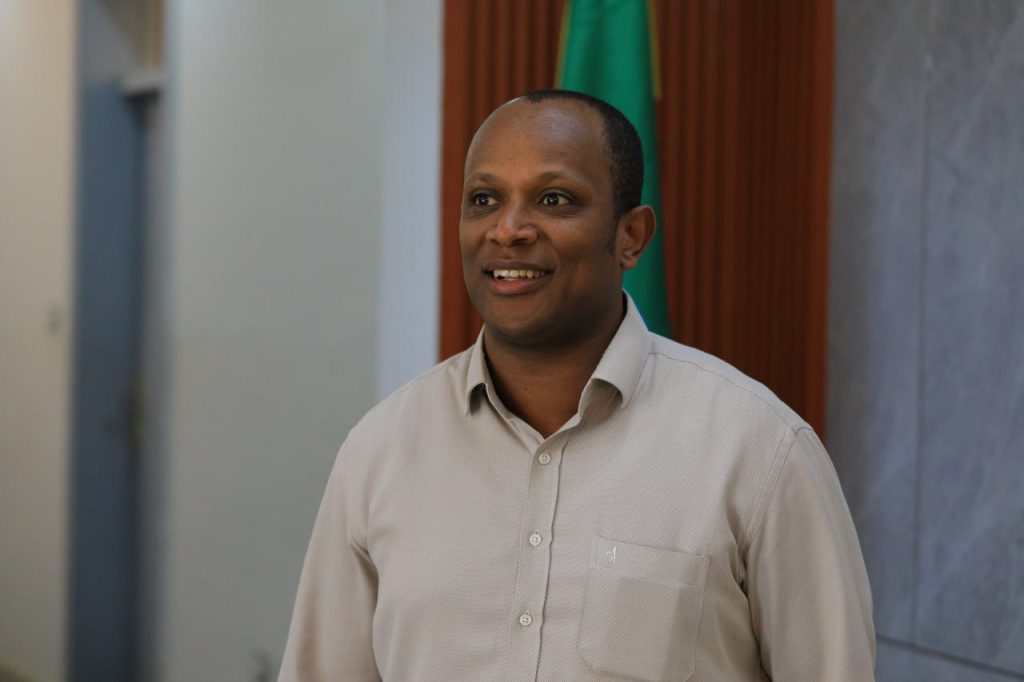
Special Advisor at the Danish Energy Agency, Dereje Fente, noted that the workshop forms part of ongoing efforts to address challenges identified in previous joint engagements with EEP.
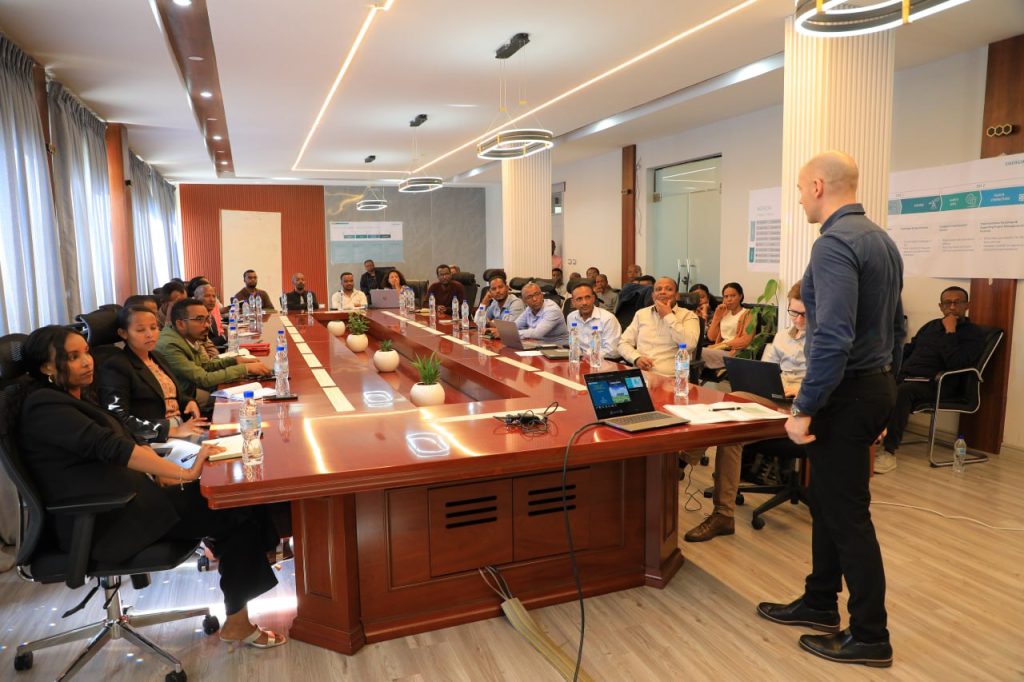
He reaffirmed the agency’s commitment to supporting Ethiopia’s energy sector through technical assistance and capacity-building initiatives.
Dereje added that the study is expected to play a significant role in reducing financial losses and time inefficiencies caused by project delays.
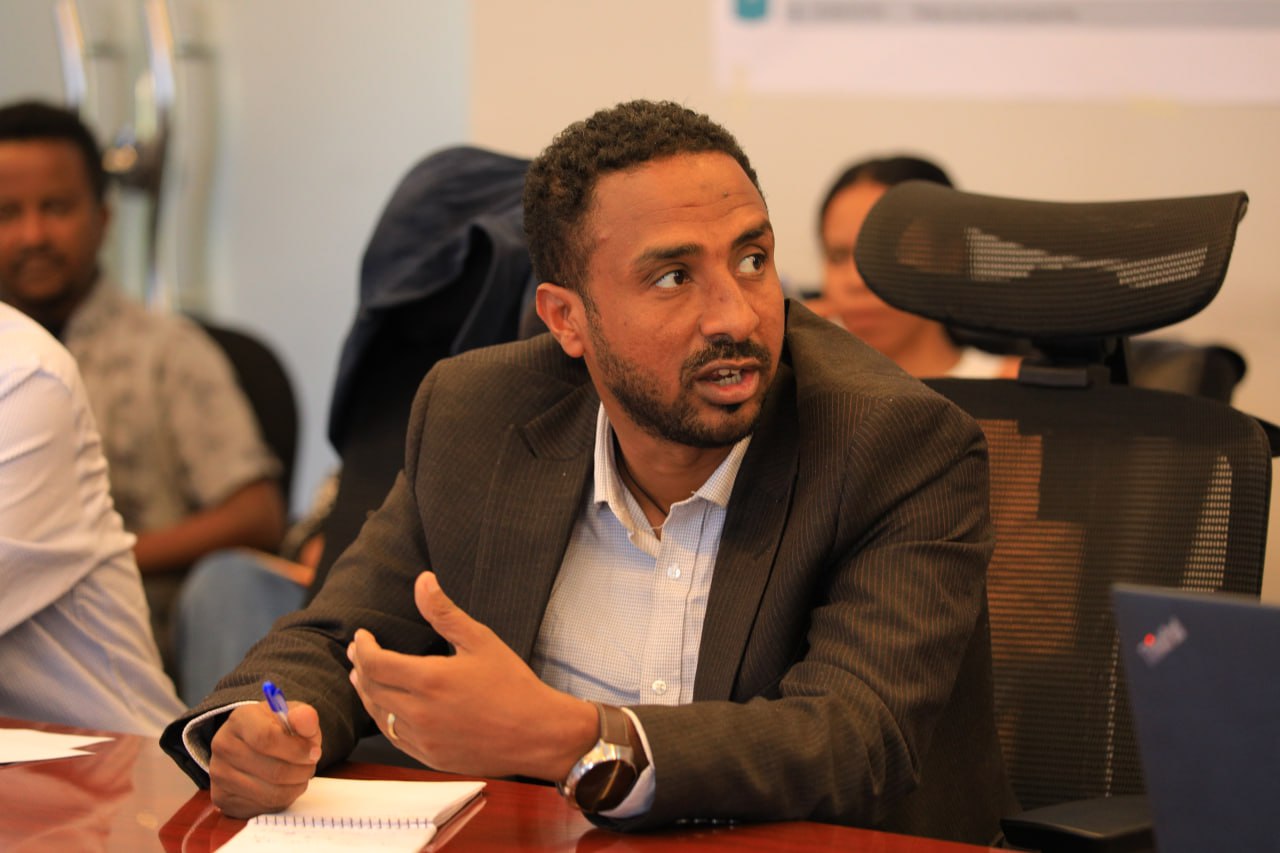
Meanwhile, Planning Monitoring and Evaluation Manager at EEP’s Corporate Planning Division, Teodros Yosef, highlighted key challenges affecting project implementation. These include the lack of realistic timelines during project planning, insufficiently comprehensive feasibility studies, and gaps in community engagement and consultation processes.