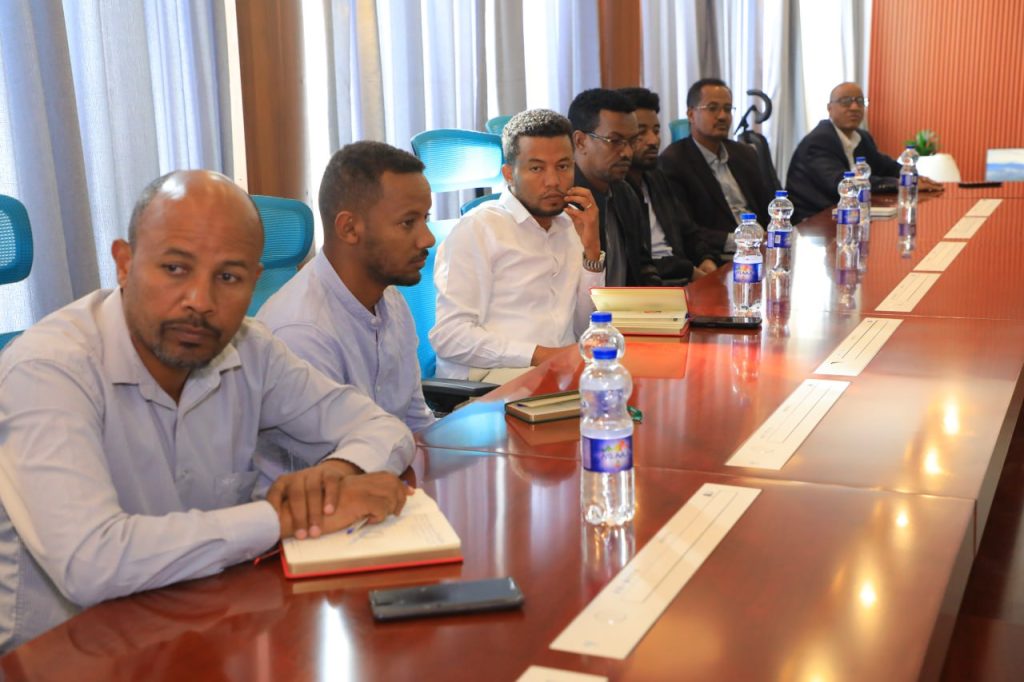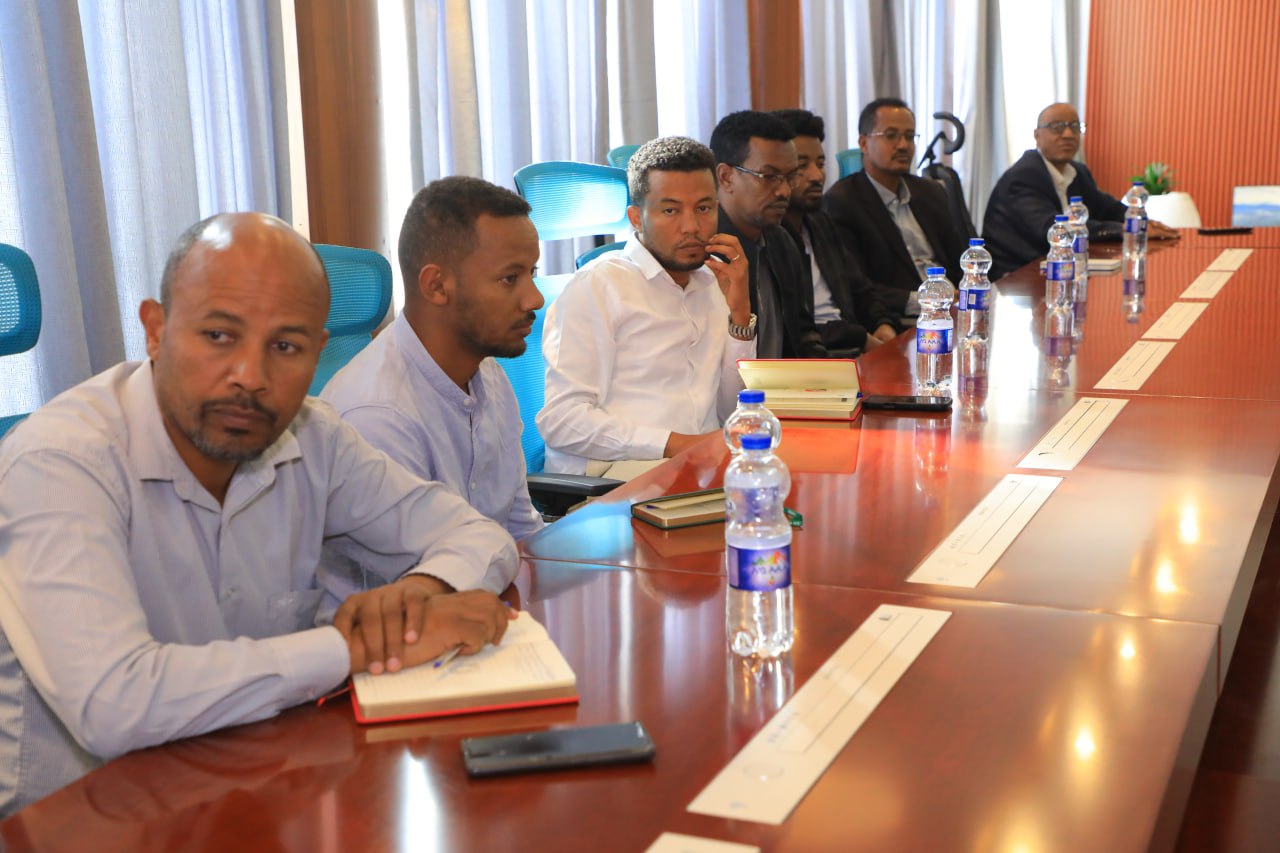
Ethiopian Electric Power (EEP) has emphasized that challenges encountered within the institution must be addressed through research-driven approaches to ensure effective and sustainable solutions.
This was highlighted during a workshop jointly organized by the Ethio Power Academy and Addis Ababa University on a research paper entitled “Operational Challenges and Solutions on the Ethio–Kenya High-Voltage Direct Current (HVDC) Line.”
Opening the workshop, Mr. Mulat Gezahegn, Head of the Office of the EEP Chief Executive Officer, said the company is undertaking large-scale power infrastructure projects in line with its vision of becoming Africa’s energy hub.
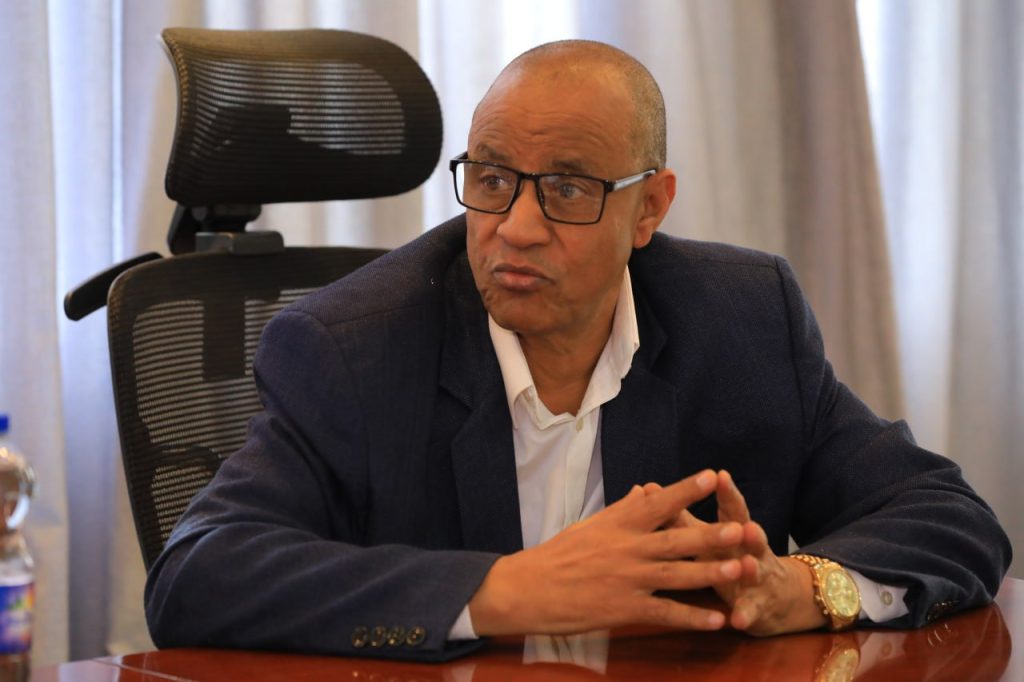
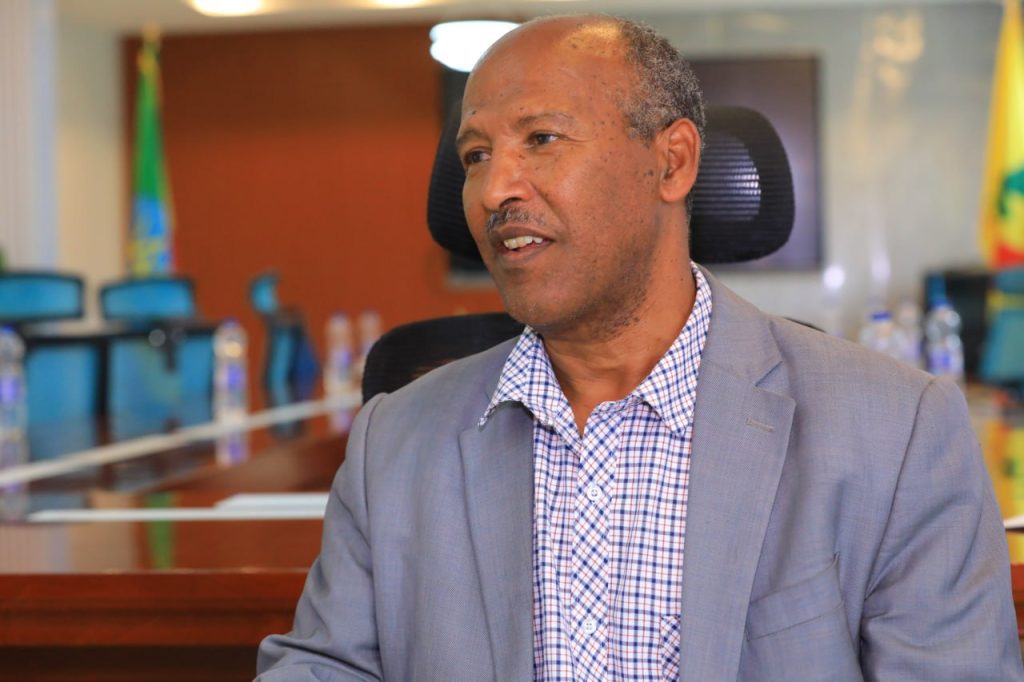
Head of the Office of the EEP Chief Executive Office
He noted that research outputs from higher education institutions play a vital role in addressing the technical and operational challenges associated with such projects.
Mr. Mulat stressed the importance of integrating academic research with practical field experience to resolve sector-wide technical issues and translate research findings into actionable solutions.
He further affirmed that EEP will continue to collaborate with relevant institutions and provide the necessary support to address organizational challenges through research-based interventions.
Presenting the study, Dr. Teshome Hanbisa stated that the Ethio–Kenya HVDC transmission line does not experience voltage fluctuation problems on the Ethiopian side.
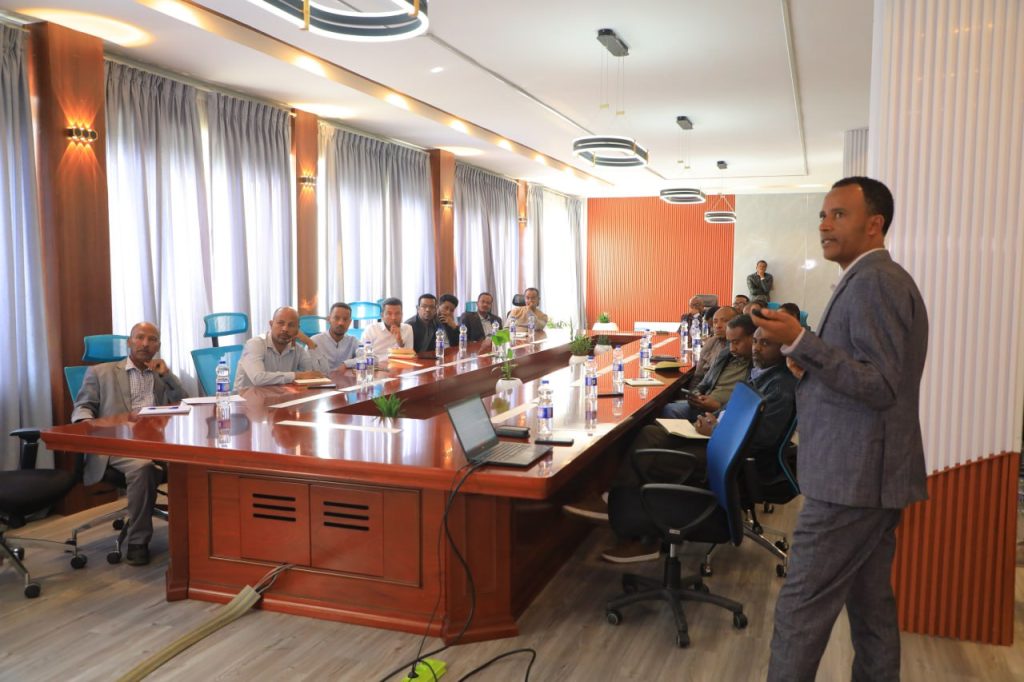
However, he noted that the voltage control system on the Kenyan side requires further examination.
Despite this, Dr. Teshome explained that the study confirmed the transmission line—designed to transmit more than 2,000 megawatts—is capable of withstanding potential power fluctuations originating from the Kenyan side without sustaining damage.
He recommended that both countries take these findings into account to ensure the long-term stability of the cross-border power transmission system.
Mr. Bitwoded Gebrealif, Research and Development Manager at the Ethio Power Academy, said that studies conducted by the Academy and other institutions on power interconnection development should be systematically evaluated and applied to improve institutional procedures, productivity, and the effective use of technology.
He added that the technical findings from the study will be used to strengthen future power interconnection projects by applying proven solutions and lessons learned.
The workshop was attended by managers and technical experts from EEP’s Generation, Transmission, Engineering and Construction business sectors, as well as the Corporate Planning Sector. Participants raised various technical questions, which were addressed during the discussion.