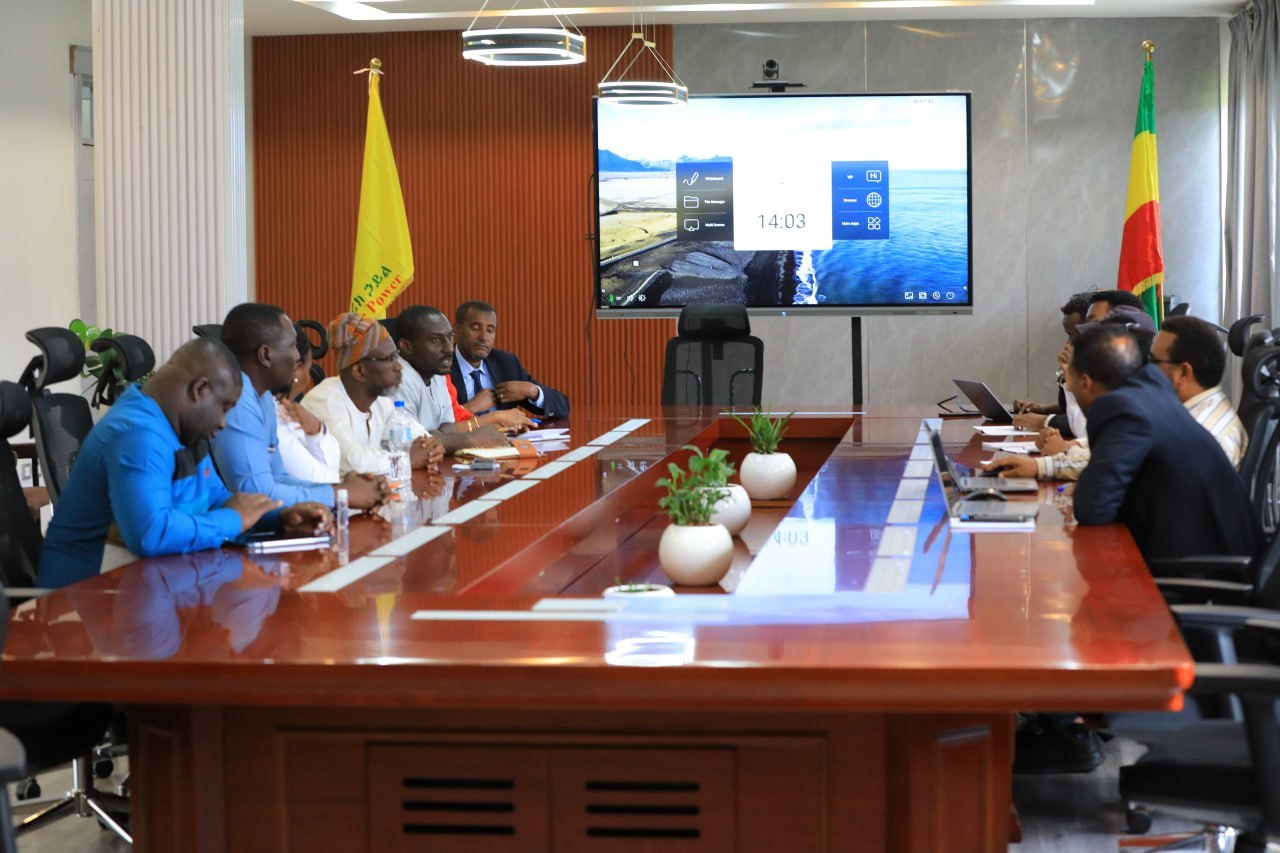
The Ethiopian Electric Power (EEP) is undertaking a range of initiatives to address the growing electricity demand driven by electric vehicles (EVs), according to the institution’s Acting Executive Officer for Corporate Planning.
Speaking at an experience-sharing forum organized for experts from Ghana on Ethiopia’s efforts to supply electricity for EVs, Engineer Yalewayker Mandefro stated that Ethiopia has developed and begun implementing a National Electric Mobility Strategy extending to 2029.

He further noted that EEP is actively contributing as a member of a national technical committee working to ensure a reliable electricity supply for electric vehicles.
According to him, the institution is carrying out multiple activities aligned with its vision of becoming a renewable energy hub in Africa. He added that Ethiopia is already among the leading countries on the continent, with nearly 100,000 electric vehicles deployed nationwide.
In line with its strategic plan, EEP has also established a team of experts to conduct studies assessing the potential impact of electric vehicles, expected over the next five years, on the national grid and operational systems.
Highlighting that energy security extends beyond power supply and constitutes a matter of national security, the Acting Executive Officer emphasized that careful, evidence-based preparatory measures are being undertaken to ensure that fast-charging infrastructure for EVs does not place undue strain on the grid and power systems.
Yizengaw Yitayeh, Senior Climate Change Expert at the Ministry of Transport and Logistics noted that Ethiopia is promoting the large-scale adoption of electric vehicles to modernize the transport sector and reduce air pollution.

He further explained that the national strategy aims to deploy 500,000 electric vehicles and establish 2,230 charging stations by 2030.
This initiative is expected to significantly reduce the country’s annual fuel import expenditure, currently estimated at between USD 5 and 6 billion, and cut greenhouse gas emissions by approximately 13.9 million tons of CO₂ annually.
Alhaji Abukari, a member of the Ghanaian delegation and Regional Operations Director at the Public Utilities Regulatory Commission, stated that Ethiopia’s progress in electric vehicle adoption is among the most advanced in Africa. He explained that their visit aimed to learn from Ethiopia’s experience and best practices in order to enhance performance in the sector.


He also noted that the delegation held discussions with key stakeholders in the transport and energy sectors, as well as regulatory institutions, and gained valuable practical knowledge and insights during their stay.
Furthermore, he observed that Ethiopia’s success in implementing electric mobility is strongly supported by high-level government commitment—starting from the Prime Minister—which has enabled the country to achieve notable results in the sector.