
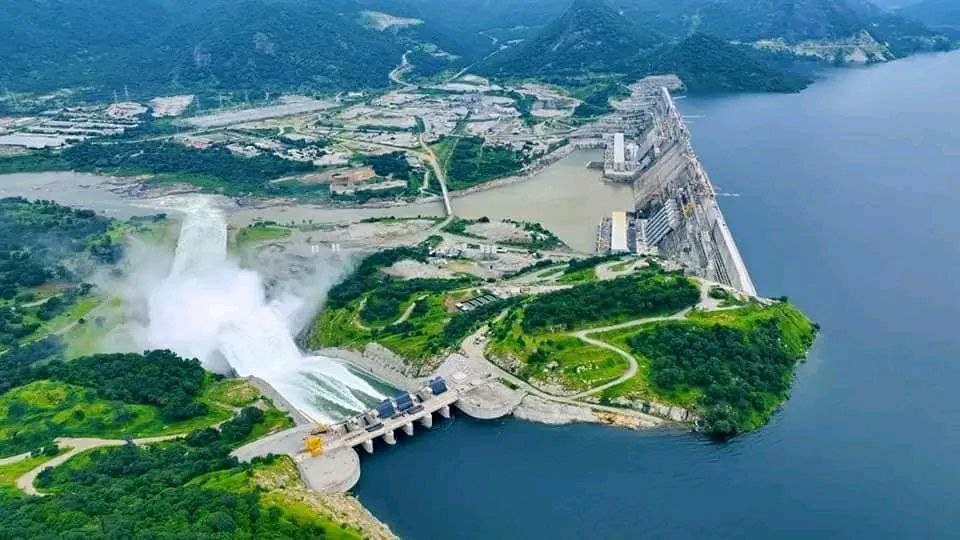
In an era where energy access remains a critical challenge for many developing countries, Ethiopia has emerged as a trailblazer, demonstrating how strategic planning, renewable energy investment, and regional cooperation can transform a nation’s power sector. With ambitious electrification targets, a commitment to clean energy, and innovative public-private partnerships, Ethiopia is not just powering its own future but also setting a benchmark for others to follow.
A Bold Vision for Universal Electrification
At the heart of Ethiopia’s success lies its National Electrification Program (NEP), a comprehensive roadmap to achieve universal electricity access by 2030.
Unlike traditional models that depend exclusively on grid expansion, Ethiopia has implemented a dual strategy that combines centralized grid connections with decentralized off-grid solutions—especially for remote communities. This practical approach has already produced remarkable results, with electrification rates increasing from just 30% in 2015 to over 54% by 2024, according to World Bank data.
The NEP’s success hinges on meticulous planning; leveraging Geographic Information Systems (GIS) to identify underserved regions and optimize infrastructure deployment. By prioritizing data-driven decision-making, Ethiopia ensures that every kilowatt-hour generated reaches those who need it most.
Renewable Energy for Sustainable Growth
Ethiopia’s energy strategy stands out for its strong reliance on renewable sources, which make up over 90% of the country’s installed capacity.
The country’s vast hydropower potential—exemplified by the Grand Ethiopian Renaissance Dam (GERD)—positions Ethiopia as a regional energy powerhouse. Once fully operational, GERD alone will generate 5,150 MW, effectively doubling Ethiopia’s current capacity and producing surplus electricity for export.
Yet hydropower is just one component. Ethiopia has made notable progress in wind, geothermal exploration, and solar energy Projects contributing to a diversified energy portfolio.
This transition away from fossil fuels not only strengthens energy security but also aligns with global climate goals—positioning Ethiopia as a leader in sustainable development.
Public-Private Partnerships: Fueling Growth
Recognizing that government efforts alone are insufficient to meet electrification demands, Ethiopia has actively promoted public-private partnerships (PPPs) to accelerate progress. The Ethiopian Electric Power (EEP) has collaborated with international investors and local entrepreneurs to expand distribution networks and improve service reliability. A notable example is the World Bank’s $500 million Energizing Ethiopia program, which supports last-mile connections and strengthens utility performance. Private sector involvement extends beyond grid expansion, with mini-grids and solar home systems gaining traction in off-grid communities.
Regional Integration: Powering Beyond Borders
Ethiopia’s ambitions extend well beyond its borders. As a key player in the Eastern Africa Power Pool (EAPP), the country is spearheading efforts to create a regional electricity market. By exporting surplus power to neighbors like Kenya, Sudan, and Djibouti, Ethiopia is turning energy into a tool for economic diplomacy and regional stability.
This interconnected grid not only generates revenue but also enhances energy security across East Africa, reducing reliance on costly diesel generators and fostering economic resilience.
Strengthening Institutions for Long-Term Success
A robust energy sector requires strong governance, and Ethiopia has invested heavily in regulatory frameworks and institutional capacity. The introduction of a national grid code, transparent tariff structures, and streamlined licensing for off-grid providers has created an enabling environment for growth. Regulatory bodies like the Ethiopian Energy Authority ensure fair competition and consumer protection, building trust among investors and end-users alike.
A Model for the Developing World
| Ethiopia’s electrification journey offers valuable lessons for nations struggling with energy poverty. Its comprehensive strategy—combining grid expansion, renewable energy, public-private partnerships (PPPs), and regional cooperation—demonstrates that universal energy access is attainable, even in resource-limited contexts. As Ethiopia advances toward its 2030 target, the world is watching closely. Ethiopia’s story is not merely about lighting homes—it’s about unlocking economic potential, advancing education and healthcare, and laying the foundation for a sustainable future. For developing nations seeking a roadmap to energy independence, Ethiopia shines as a guiding light. |
Sources: World Bank, Ethiopian Electric Power, Eastern Africa Power Pool, International Renewable Energy Agency (IRENA)